How Long Can You Leave a Cat Alone While on Vacation?
Your suitcase is packed, your flights are booked, and your cat is sitting in the middle of your clothes, looking thoroughly unimpressed.
Now comes the question that makes so many cat owners feel guilty: How long can you actually leave a cat alone while you’re on vacation?
Cats have a reputation for independence. They sleep for hours, entertain themselves, and sometimes seem perfectly delighted when we leave them in peace.
Unfortunately, that reputation has encouraged some dangerously casual attitudes toward leaving cats unattended.
And having spent years caring for cats and rescue animals, I have some fairly strong feelings about that.
How Long Can a Cat Safely Stay Home Alone?
For a healthy adult cat, 8 to 12 hours alone is generally considered reasonable, assuming there’s adequate food, fresh water, a clean litter box, and a safe environment.
Veterinarian Hannah Hart explains in PetMD’s guidance on leaving cats alone that age, health, personality, and living conditions all influence how much time a cat can safely spend without supervision.
The animal welfare organization Cats Protection recommends a maximum of around 12 hours for occasional absences.
For vacations, I strongly recommend arranging a sitter to visit at least twice daily.
In fact, Cats Protection’s holiday guidance specifically recommends twice-daily visits to ensure cats remain safe, comfortable, and properly cared for.
Here’s how I would approach different lengths of absence:
These are general guidelines. A kitten, senior cat, or cat with medical problems may need considerably more attention.
The following video from AnimalWised explains how a cat’s age, health, and personality affect the amount of time it can safely spend alone.
Why Leaving Your Cat Alone for 48 Hours Is a Terrible Idea
I’ve encountered the argument that leaving out three bowls of food and a giant container of water should keep a cat comfortable for an entire weekend.
I find that reasoning astonishingly careless. Consider what could happen during those 48 hours.
Your cat might knock over its water bowl. An automatic feeder could jam. A door might accidentally swing shut, trapping the animal away from its food.
And then there are medical emergencies.
According to the Cornell Feline Health Center, urinary obstruction is a life-threatening emergency, particularly in male cats. Without treatment, a complete blockage can become fatal within 24 to 48 hours.
A cat sitting alone in an apartment has no way to summon veterinary help.
Even something as seemingly ordinary as refusing food deserves serious attention. Cornell explains that loss of appetite in cats can seriously affect an adult cat’s health after as little as 24 hours.
Those are the possibilities I want people thinking about when they plan a vacation.
Some Cats Need Much More Supervision
A healthy five-year-old cat with a predictable routine has very different needs from a three-month-old kitten.
Young kittens need frequent meals, social interaction, and supervision. They can also discover remarkably creative ways of getting into trouble.
Senior cats may have mobility difficulties, changes in appetite, or medical conditions requiring monitoring.
I would be particularly cautious about leaving cats with diabetes, kidney disease, urinary problems, or medication schedules.
An anxious cat deserves special consideration, too.
Some cats become distressed when their owners disappear. Changes in appetite, excessive vocalization, hiding, and inappropriate elimination can accompany stress.
Is It Better to Leave Your Cat at Home or Use a Boarding Facility?
For most cats, I favor keeping them at home with a reliable sitter.
Cats develop strong attachments to familiar environments. Their favorite sleeping spots, hiding places, and ordinary household smells help make them feel secure.
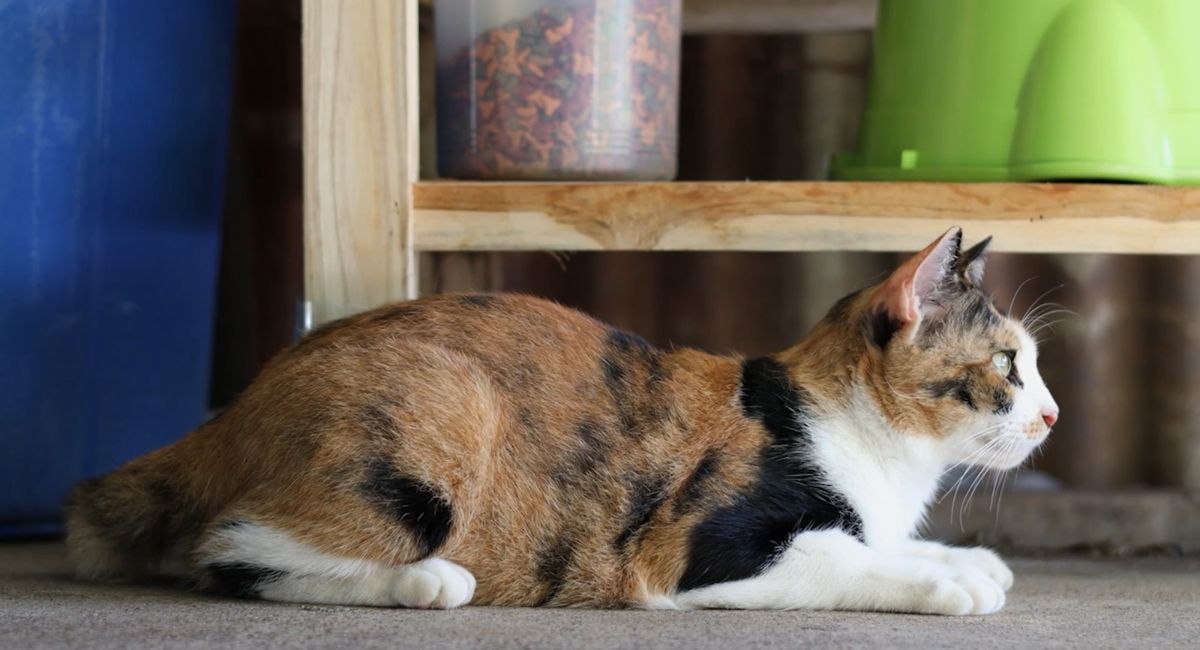
Battersea’s advice on vacation cat care also recommends familiar surroundings and twice-daily visits from a trusted caregiver.
Still, boarding facilities can be excellent for cats requiring closer supervision.
A reputable cattery should provide clean accommodations, secure enclosures, experienced staff, and arrangements for veterinary emergencies.
For long vacations, I particularly like the idea of someone staying in the home.
The cat gets company, meals arrive on schedule, and somebody notices when something seems wrong.
That peace of mind is worth paying for.
Your Cat Sitter Needs to Do More Than Refill the Food Bowl
This is where I think many vacation plans fall apart.
Someone agrees to stop by, pours some kibble into a dish, and leaves five minutes later.
That’s a disappointing standard of pet care.
A proper visit should involve checking food consumption, replacing water, cleaning the litter box, observing the cat, and offering appropriate interaction.

I would expect a sitter to spend meaningful time with the animal, especially when the cat enjoys company.
Some cats will approach immediately. Others may prefer to observe from underneath the sofa.
Interestingly, cats can recognize their own names and familiar voices while giving very little outward response. A shy cat may require patience before a sitter can assess how it’s doing.
The San Francisco SPCA’s sitter recommendations also emphasize familiar routines, written instructions, and emergency veterinary arrangements.
Before leaving, I would insist that the sitter knows what your cat’s normal behavior looks like.
After all, noticing that something has changed requires knowing what’s normal in the first place.
Can Automatic Feeders and Pet Cameras Replace a Cat Sitter?
Absolutely not.
I’m quite fond of useful pet technology. Automatic feeders can maintain consistent meal schedules, and cameras are wonderful for checking whether your cat is sleeping on the windowsill or occupying the entire sofa.
I would happily use both.
Still, an automatic feeder cannot recognize that a cat is struggling to urinate. A camera cannot clean a litter box or take a sick animal to the veterinarian.
The veterinary charity PDSA recommends human supervision, including overnight company and at least two visits daily, even when owners use cameras and automatic feeders.
Technology makes vacation care more convenient. A responsible person must remain involved.
What Should You Prepare Before Leaving?
I recommend preparing everything several days before your departure. That gives you time to test equipment and address problems.

Here’s the checklist I would follow:
- Food and water: Provide sufficient supplies, feeding instructions, and multiple water sources.
- Litter boxes: Clean them thoroughly and leave extra litter for the sitter.
- Emergency information: Write down your veterinarian’s contact details, an emergency clinic, and how to authorize treatment.
- Household safety: Secure windows, remove toxic plants, and put dangerous objects out of reach.
- Comfort: Leave familiar blankets, safe toys, scratching posts, and accessible hiding places.
- Backup arrangements: Give a second trusted person access in case your sitter becomes unavailable.
I would also ask for a brief update after every visit.
A photograph and a message confirming that the cat has eaten, used the litter box, and behaved normally can make an enormous difference to your peace of mind.
Will Your Cat Miss You While You’re Away?
Some cats appear completely unfazed by their owners’ absence. Others become unusually vocal, affectionate, withdrawn, or restless.
Their reactions vary considerably.
I think we underestimate how much our everyday presence matters to animals.
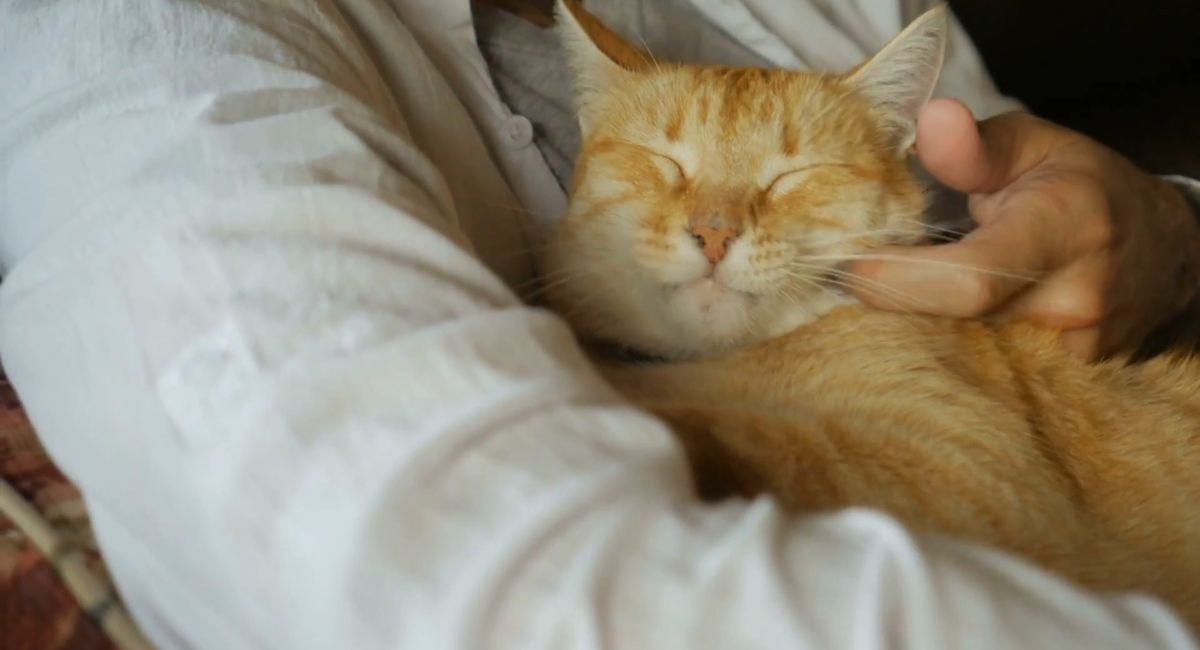
A cat may spend hours sleeping while you’re home, yet still notice that your familiar sounds, movements, and routines have disappeared.
When you return, give your cat space to approach you, restore its usual schedule, and pay attention to changes in behavior. Persistent changes in appetite, toileting, or activity warrant veterinary advice.
The Bottom Line
A healthy adult cat can generally manage 8 to 12 hours alone. For vacations, arrange a responsible person to visit at least twice a day, with more frequent care whenever your cat needs it.
I love that cats are independent creatures. Their independence is one of the things that makes living with them so fascinating.
They still depend on us to keep them safe.
And personally, I think arranging proper care is one of the easiest promises we can keep to an animal that trusts us.