Can Dogs Eat Turkey? Plain Meat Is Fine, but Skip the Skin and Bones
Yes, dogs can eat turkey, provided it’s fully cooked, plain, boneless, and served without the skin.
A few small pieces can make a perfectly reasonable occasional treat. The trouble usually starts when we share turkey prepared for people, complete with butter, seasonings, fatty skin, and bones.
I think turkey is a good example of why we need to look beyond whether a particular food is safe for dogs.
How it’s prepared matters just as much. The same turkey breast that makes a harmless little treat can become a problem once it’s covered in gravy or mixed with ingredients dogs shouldn’t eat.
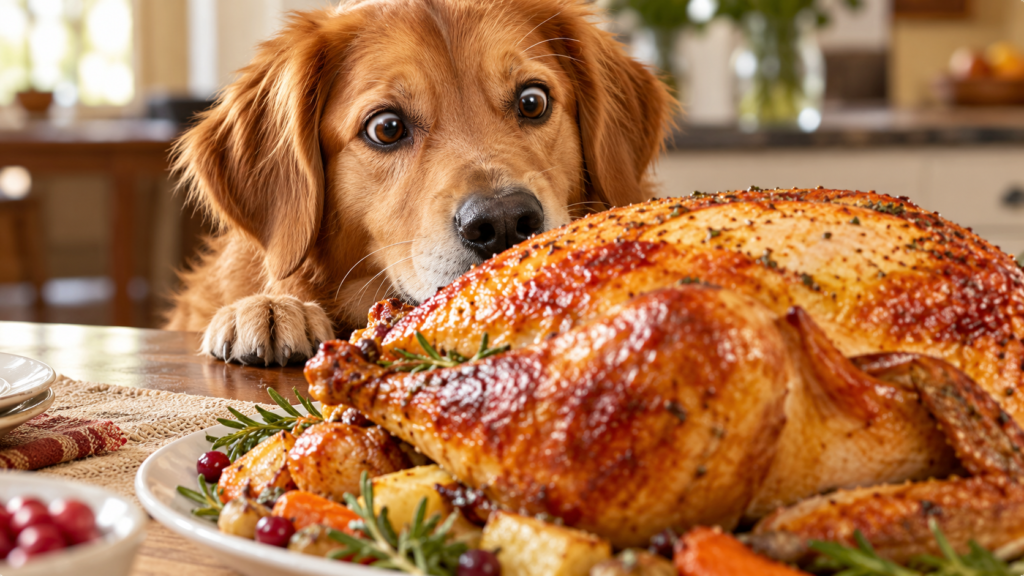
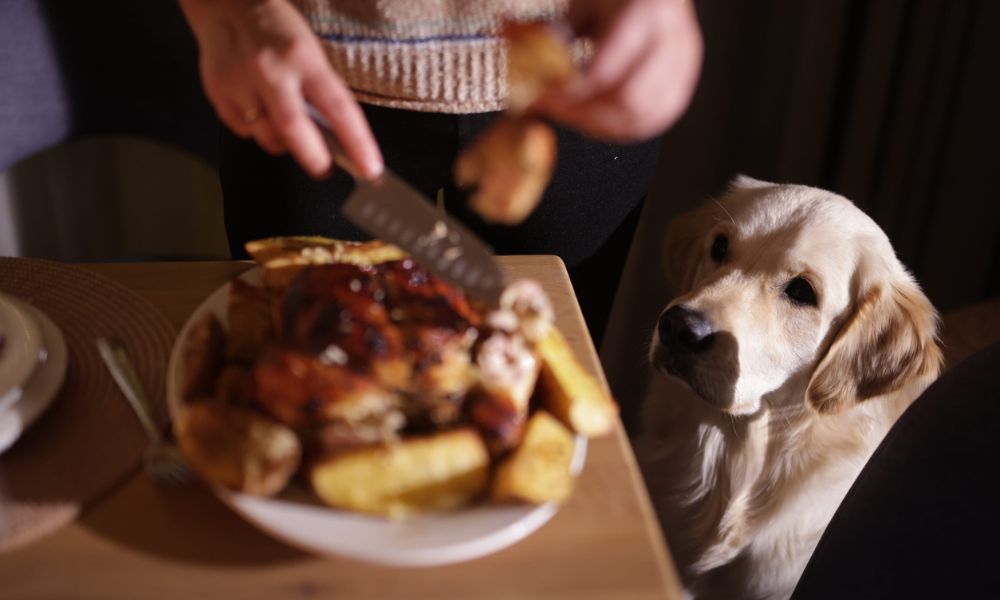
And considering how enthusiastically some dogs inspect a Thanksgiving dinner, it’s worth knowing exactly which parts they can safely enjoy.
For a quick overview of what makes turkey safe for dogs and which parts are best avoided, this short video explains the basics before we look at them in more detail.
Is Turkey Good for Dogs?
There’s nothing inherently harmful about turkey meat. In fact, as the American Kennel Club explains, turkey is used as an ingredient in many commercial dog foods and can be suitable for dogs when properly prepared.
Plain, skinless turkey breast is particularly suitable because it’s relatively lean. Dark meat can also be offered if the skin, bones, and excess fat have been removed, although it generally contains more fat.
Still, I wouldn’t get carried away with the nutritional benefits. A food can contain useful nutrients without being something your dog needs in addition to their regular meals.
If your dog already eats a complete, balanced diet, turkey is an optional treat rather than a nutritional necessity.
Why Dogs Shouldn’t Eat Turkey Skin
Turkey skin might be one of the tastiest parts of a roast dinner, but it’s also one of the parts I’d be most careful about sharing with a dog.
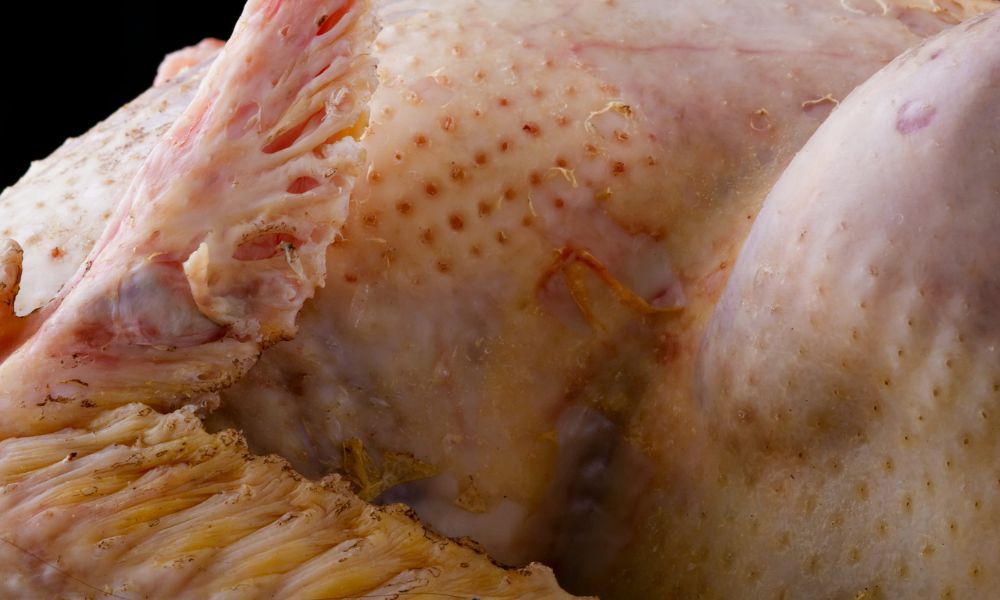
The skin contains considerable fat, and roasting often adds even more through butter, oil, or meat drippings.
Fatty foods can cause digestive upset, including vomiting and diarrhea. In some dogs, a rich meal may also contribute to pancreatitis, a painful inflammation of the pancreas, an organ involved in digestion.
According to VCA Animal Hospitals, fatty meals can trigger pancreatitis in some cases, although the condition has several possible causes.
What concerns me is how easily we underestimate a small amount of fatty food. A piece of skin might look insignificant on our plate, but it’s a different matter for a small dog, particularly one with a history of digestive problems.
Removing the skin is a simple precaution that makes turkey much more suitable for dogs. There’s no real benefit to taking the risk when the plain meat is available.
Turkey Bones Are Dangerous, Even If Your Dog Loves Chewing
I understand why people might consider giving their dog a leftover turkey bone.
Dogs enjoy chewing, and handing over a bone can seem like a natural way to let them enjoy the meal.
Unfortunately, enjoyment doesn’t make something safe.
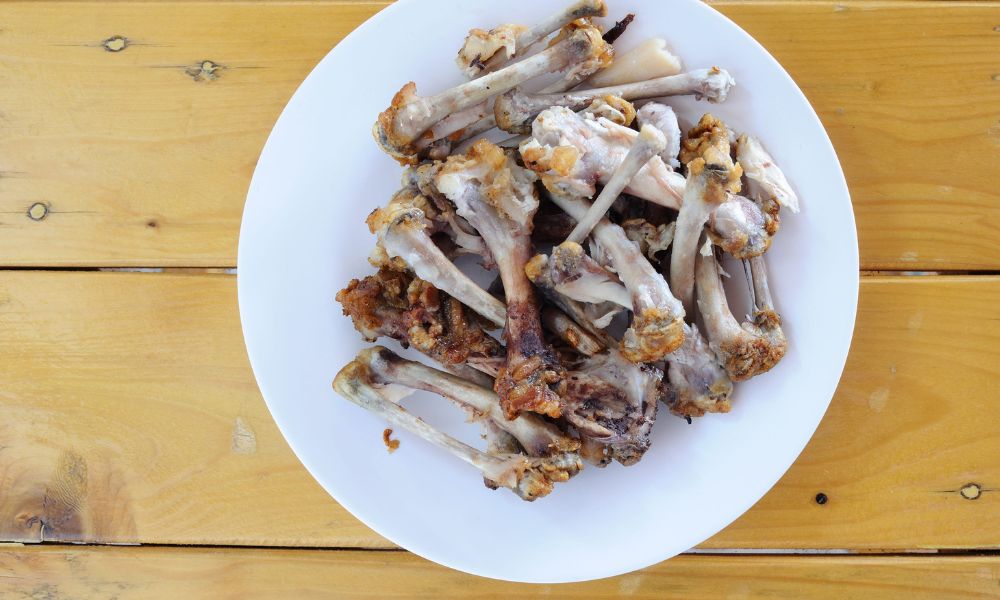
Cooked turkey bones can become brittle and break into sharp pieces when chewed. Those fragments can cause serious injuries.
- Choking if a bone becomes lodged in the throat.
- Cuts or injuries inside the mouth.
- Damage to the esophagus, stomach, or intestines.
- Intestinal blockages that may require surgery.
- Constipation or difficulty passing bone fragments.
For another perspective on turkey bones, this short video from Ollie explains the risks and what dog owners should consider before offering bones as a treat.
Raw bones aren’t a risk-free substitute, either. They can still cause choking, tooth injuries, or digestive problems, and raw poultry can carry harmful bacteria.
My preference is much more straightforward. If a dog enjoys chewing, give them something designed for that purpose and appropriate for their size and chewing habits.
A turkey carcass belongs somewhere your dog cannot reach, not on the floor beside their food bowl.
What About Seasoned Turkey, Gravy, and Stuffing?
Plain turkey and Thanksgiving turkey aren’t necessarily the same thing. A typical holiday bird might be prepared with garlic, onion, butter, salt, herbs, and other ingredients. Some of these are unsuitable for dogs, and others can be genuinely toxic.
Garlic and onions deserve particular attention. Both can damage a dog’s red blood cells, potentially causing anemia.
The ASPCA identifies onions as toxic to dogs, while the Merck Veterinary Manual explains that both onions and garlic can cause poisoning, including when they’re cooked, dried, or powdered.
Gravy and stuffing can create additional problems because they may contain:
- Onion or garlic, including powdered forms.
- Large amounts of salt.
- Butter, oil, and fatty meat drippings.
- Other ingredients that aren’t appropriate for dogs.
I wouldn’t assume that removing the visible onions makes a seasoned dish safe. Onion powder, garlic powder, and cooking juices aren’t always obvious.
The safest approach is to set aside an unseasoned portion of turkey before adding anything intended for the human dinner.
Can Dogs Eat Raw Turkey or Processed Turkey?
Raw turkey isn’t something I’d recommend feeding dogs. Uncooked poultry can contain harmful bacteria, including Salmonella, which can create risks for dogs and people handling contaminated food.
The FDA’s raw-food safety advice explains why raw animal-based foods can expose both pets and their owners to harmful bacteria, including Salmonella and Listeria. Cooking turkey thoroughly reduces that risk.
Processed turkey also deserves a little skepticism. Turkey deli slices, smoked turkey, turkey bacon, and turkey sausage may contain substantial amounts of sodium, added fat, preservatives, or seasonings.
The AKC’s guidance on processed meats specifically cautions that deli meats tend to contain high levels of sodium and preservatives.
I think owners sometimes see the word “turkey” and assume these products are equivalent to fresh meat. They really aren’t.
If you want to give your dog turkey, there’s little reason to choose a heavily processed version when a small piece of plain cooked meat is a simpler option.
How to Prepare Turkey Safely for Your Dog
You don’t need a special recipe to make turkey suitable for most healthy dogs. In fact, the less complicated the preparation, the better.
Here’s how I’d approach it.
- Choose lean turkey meat. Skinless breast is an easy choice, although thoroughly trimmed thigh meat can also work.
- Cook it thoroughly. Boiling or baking without added oil, butter, or seasoning works well. According to the USDA’s safe cooking guidelines, poultry should reach an internal temperature of 165°F (74°C), measured with a food thermometer.
- Remove all skin, bones, and excess fat. Inspect the meat carefully, particularly when carving around the ribs or legs.
- Cut it into small pieces. Make each piece manageable for your dog’s size rather than offering a large chunk they might swallow too quickly.
- Start with a little. If your dog hasn’t eaten turkey before, offer a small amount and watch for digestive upset or other unusual reactions.
- Serve it plain. Skip the gravy, sauces, seasoning, and fatty drippings.
If you’d like to see how turkey can be prepared for your dog, this video walks through a simple ground turkey recipe, from choosing the meat to cooking and serving it safely.
You can offer the pieces separately or mix a little into your dog’s usual food.
One thing I’d emphasize is checking the meat after carving. Small bones and cartilage can be surprisingly easy to overlook when you’re concentrating on preparing a meal for several people.
How Much Turkey Can Dogs Eat?
Even safely prepared turkey should be an occasional treat rather than a substantial replacement for your dog’s regular food.
According to the World Small Animal Veterinary Association’s guidance on feeding dog treats, treats should provide no more than 10% of a dog’s daily calories, with the rest coming from a complete, balanced diet.
That limit includes every treat your dog receives during the day, not just turkey.
A small dog will naturally need a smaller portion than a large one. Age, activity level, weight, health, and individual digestive tolerance also matter.
I prefer starting with a few tiny pieces rather than deciding a dog deserves a generous portion because it’s a special occasion.
Dogs don’t understand the size of a celebration. They’re generally quite happy to receive a little something delicious, even if we think the portion looks rather unimpressive.
If your dog has pancreatitis, food allergies, a sensitive digestive system, or a medical condition requiring a special diet, check with your veterinarian before offering turkey.
What If Your Dog Accidentally Eats Turkey Skin or Bones?
First, consider exactly what your dog ate and how much.
A healthy dog that steals a tiny piece of plain turkey skin may experience no problems. That doesn’t make fatty skin a good treat, but it also doesn’t mean every accidental bite will cause an emergency.
Larger quantities of fatty food are more concerning, especially for dogs susceptible to pancreatitis.
Watch for symptoms such as:
- Repeated vomiting or diarrhea.
- Loss of appetite.
- Unusual tiredness or weakness.
- Abdominal discomfort.
- Restlessness or signs of pain.
Contact your veterinarian promptly if these symptoms appear or if your dog has eaten a substantial amount of fatty food.
Swallowed turkey bones require more immediate attention. Call your veterinarian for advice even if your dog initially appears comfortable. VCA Animal Hospitals explains that swallowed foreign objects, including bones, can sometimes pass through the digestive tract but may also cause dangerous blockages. Trouble breathing, choking, repeated retching, or severe distress requires emergency veterinary care.
Don’t attempt to make your dog vomit unless a veterinarian specifically instructs you to do so. As VCA’s safety guidance explains, inducing vomiting can be hazardous when sharp objects such as bone fragments have been swallowed.
If the turkey contained potentially toxic ingredients such as onion or garlic, contact your veterinarian or an animal poison control service promptly rather than waiting for symptoms.
Should You Share Thanksgiving Turkey With Your Dog?
I don’t think there’s anything wrong with including dogs in family celebrations.
Sharing a little food can be enjoyable, provided we’re sensible about what we’re offering.
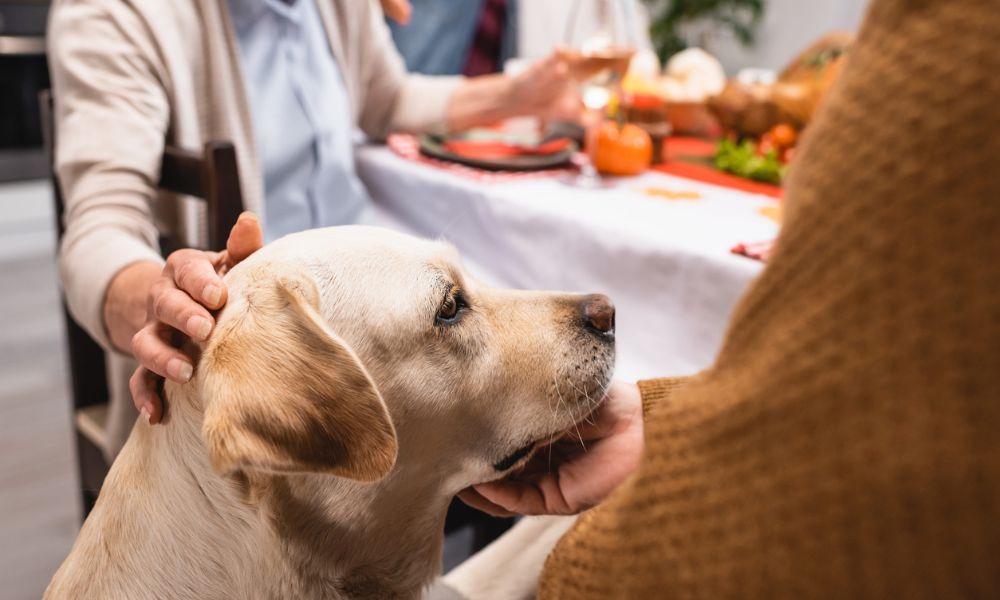
But I’d argue that responsible sharing sometimes means preparing something separately.
A few pieces of plain cooked turkey can be a lovely treat. The heavily seasoned roast, crispy skin, buttery gravy, and leftover bones are better kept for their intended purposes.
And if preparing a separate portion isn’t practical, your dog won’t miss out on anything essential by sticking with their regular food.
The bottom line is this: dogs can eat plain, fully cooked turkey meat in moderation, but they should never be given turkey bones, and it’s best to skip the skin and seasoned leftovers.
Your dog might disagree about which parts are most delicious. Fortunately, making safe food decisions is one responsibility we don’t have to leave to them.