What Are the Rules for Playing Uno With 2 Players?
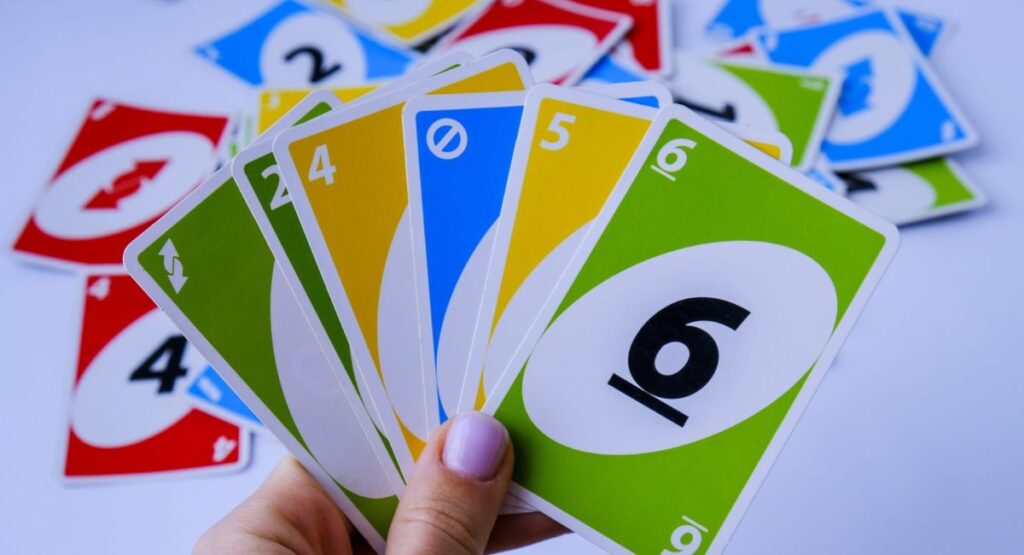
UNO has a reputation for turning perfectly friendly gatherings into arguments over colorful pieces of cardboard. Fortunately, you only need one opponent to experience that particular joy.
Playing UNO with two people is surprisingly entertaining, especially once you understand how the action cards work. A few rules change when there’s nobody else at the table, and those changes can make the game downright ruthless.
Here’s how to play properly, including the special rules that people frequently get wrong.
Can you play UNO with 2 players?
Yes, UNO officially supports two players. According to Mattel, the classic card game is designed for 2 to 10 players, and the manufacturer provides specific rules for two-person games.
You can use a regular UNO deck. There’s no need to remove any cards, buy a special edition, or invent alternative rules.
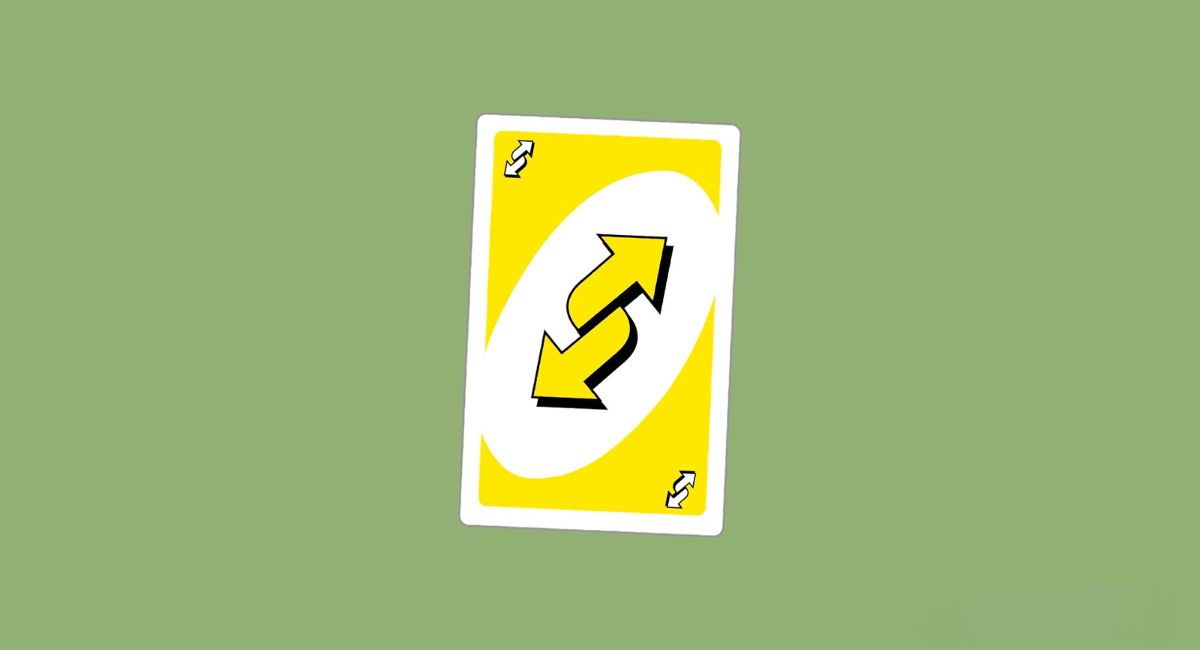
In fact, I think two-player UNO deserves more appreciation. Every Skip, Reverse, and Draw Two affects the same opponent. You can plan your moves around one person’s reactions, and a carefully timed action card can completely change the game.
The rules are straightforward, too. Most of what you already know about UNO still applies, with a few important adjustments.
How to Set Up UNO for Two Players
Setting up takes less than a minute.
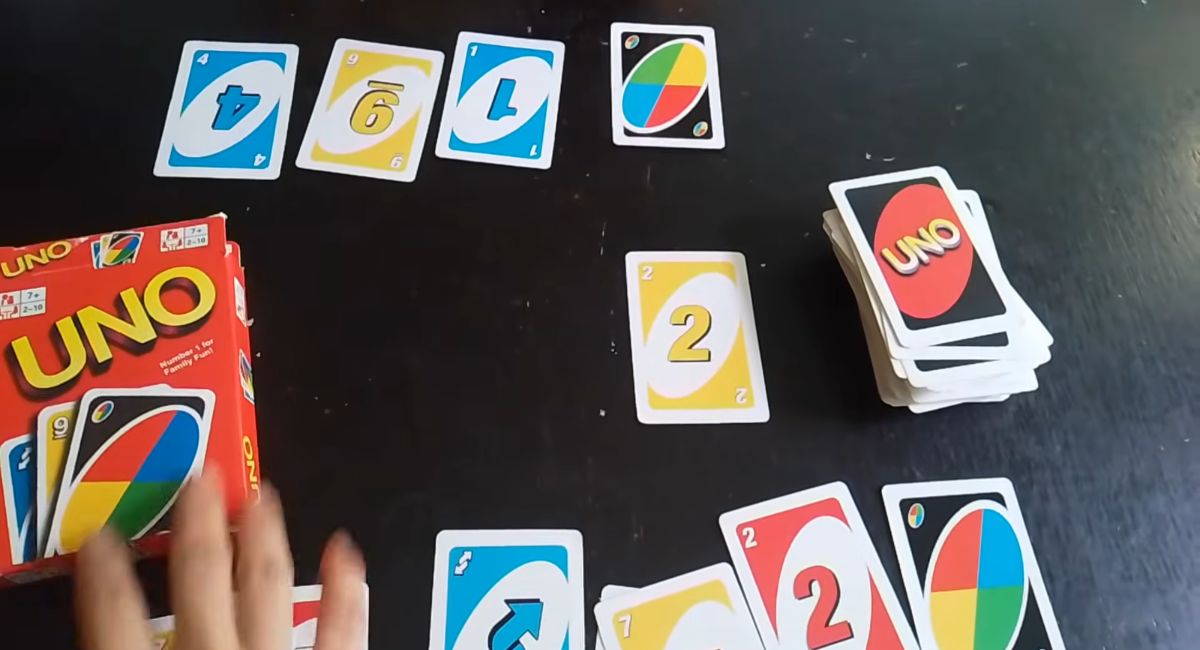
- Shuffle the deck. Use your regular UNO cards, including all the action cards.
- Deal seven cards to each player. Keep them hidden from your opponent.
- Create the draw pile. Place the remaining cards face down between you.
- Start the discard pile. Turn over the top card of the draw pile.
- Begin playing. The player who didn’t deal usually takes the first turn, subject to any starting action card.
The objective is simple: get rid of every card in your hand before your opponent does.
Want to see how a two-player UNO game works in practice? Watch the short tutorial below.
On your turn, you can play a card matching the top discard by color, number, or action symbol. A regular Wild card lets you choose the color.
For example, if the discard pile shows a red 6, you can play another red card, a 6 of any color, or an eligible Wild card.
If you have no playable card, draw one. You may immediately play that card if it’s legal. Otherwise, your turn ends.
You can also choose to draw even when you have a playable card. Once you’ve drawn, you may play the newly drawn card, provided it’s legal, and then your turn ends.
The Special UNO Rules for Two Players
This is where the game becomes interesting.
Mattel’s official UNO instructions explain how action cards behave, and its two-player rules specifically address the changes needed when only two people are playing.
Here’s the essential breakdown:
| Card | Effect in Two-Player UNO |
|---|---|
| Skip | Your opponent loses their turn. You play again. |
| Reverse | Acts like a Skip. You play again. |
| Draw Two | Your opponent draws two cards and loses their turn. You play again. |
| Wild | Choose the next color. Your opponent takes the next turn. |
| Wild Draw Four | Choose the color. Your opponent draws four and misses their turn, unless a successful challenge changes the outcome. |
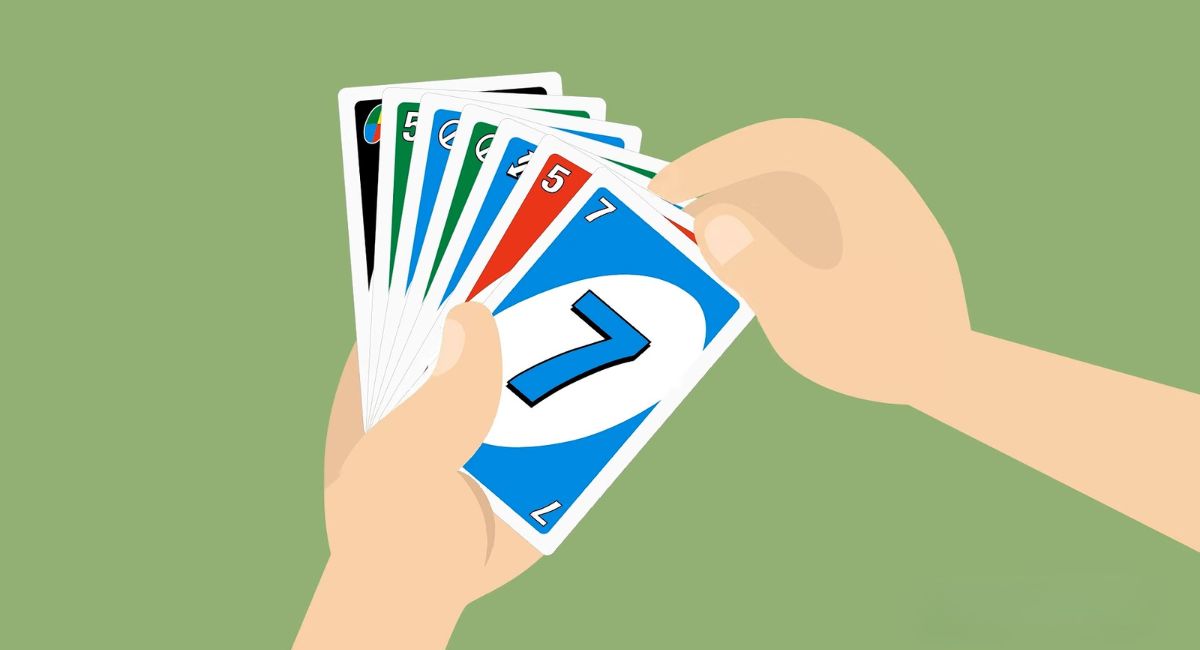
Reverse Cards Work Like Skip Cards
This rule causes an extraordinary number of unnecessary arguments.
With two players, changing the direction of play brings the turn straight back to you. Mattel explicitly treats Reverse as a Skip in its two-player UNO rules.
Imagine you have three cards left: a blue Reverse, a blue 5, and a red 5.
If you can legally play the blue Reverse, you can follow it with the blue 5. You’re suddenly down to one card, and your opponent hasn’t played anything.
Remember to call UNO before your second-to-last card reaches the discard pile.
I love this mechanic. Reverse becomes a genuinely dangerous card in a two-player game. Anyone treating it as useless is giving away a perfectly good advantage.
Skip Cards Give You Another Turn
A Skip card works exactly as you’d expect.
Your opponent misses their turn, allowing you to play another card.
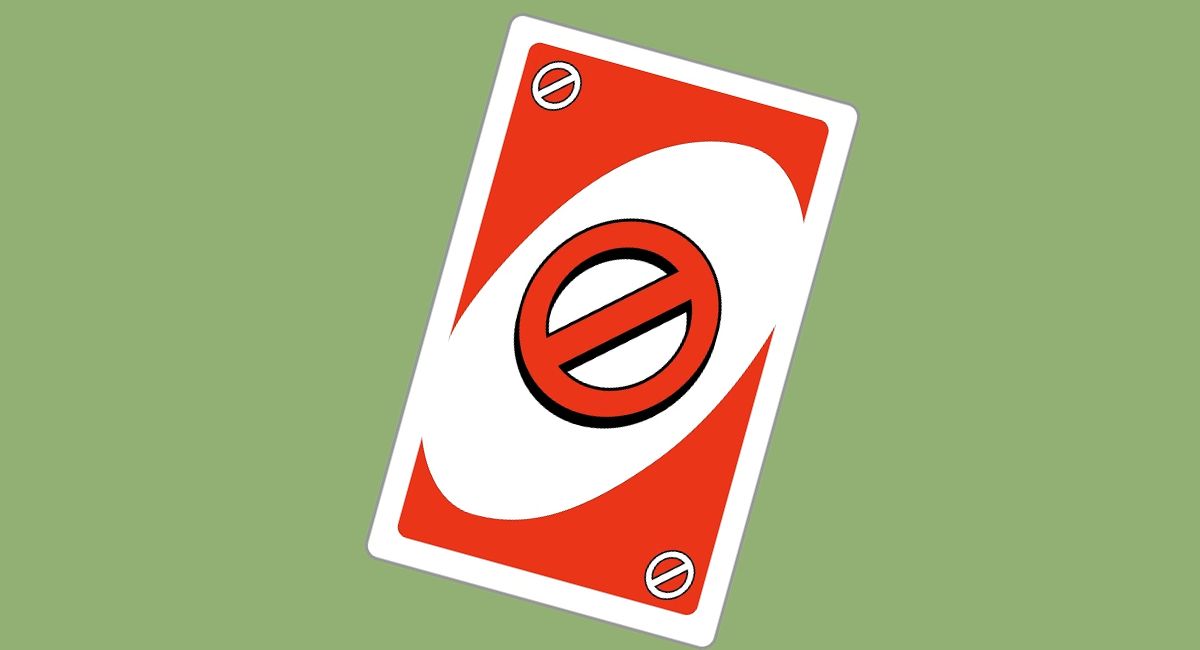
You can even play consecutive Skip cards if each one legally matches the discard pile.
There’s something wonderfully irritating about watching an opponent empty half their hand while you’re waiting for your next turn.
Draw Two and Wild Draw Four Cards
When you play a Draw Two, your opponent picks up two cards and misses their turn. You then play again.
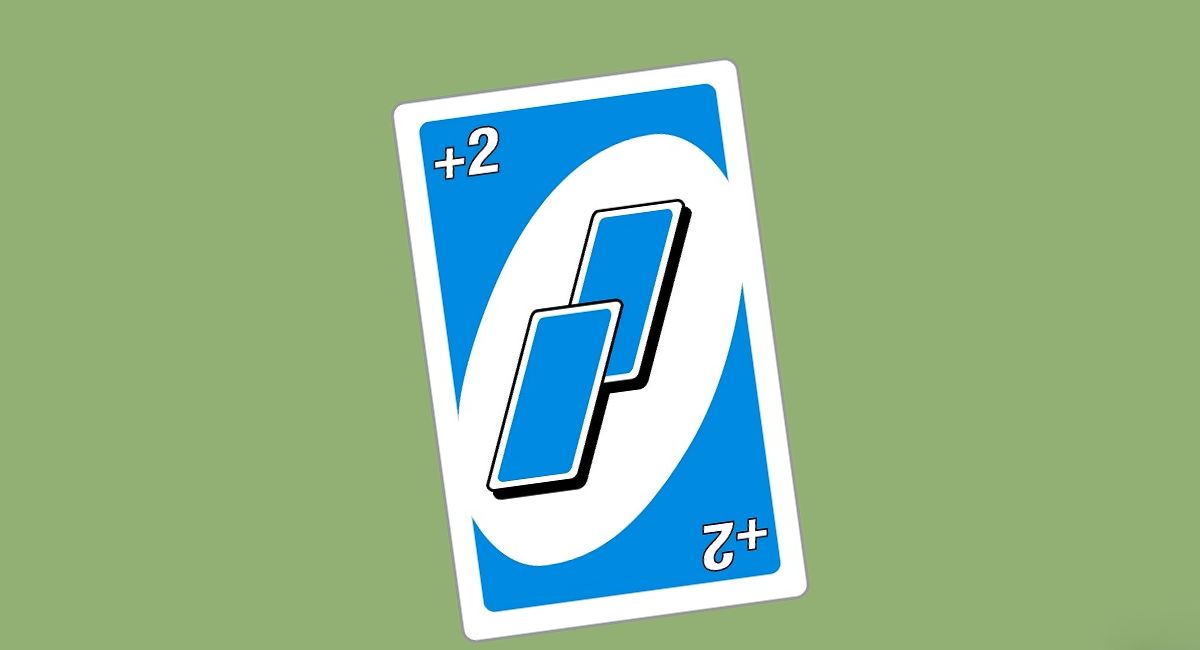
Wild Draw Four works similarly, adding four cards to your opponent’s hand while allowing you to choose the next color.
However, there’s an important restriction.
Your opponent may challenge your Wild Draw Four:
That makes challenging a genuine gamble.
Personally, I think the challenge rule is one of UNO’s best ideas. It introduces a small element of bluffing and forces you to pay attention to what your opponent has been playing.
Can You Stack Draw Two Cards in Two-Player UNO?
Here’s another common source of arguments.
Under standard UNO rules, you cannot stack Draw Two cards to avoid drawing.
If your opponent plays a Draw Two, you must pick up two cards and miss your turn. You can’t respond with another Draw Two to make them pick up four.
The same principle applies to Wild Draw Four cards.
Mattel has published stacking as an optional house-rule variation, sometimes called Progressive UNO. It’s perfectly reasonable to use that variation when both players agree beforehand.
My preference? Keep stacking out of two-player games.
Action cards already have enormous power when there’s only one opponent. Allowing penalties to snowball into eight or twelve cards makes games unnecessarily chaotic.
Save that madness for a group that actively enjoys it.
What Happens If You Forget to Say UNO?
The famous UNO rule still applies when two people are playing.
When you play your second-to-last card, leaving you with one card in your hand, you must announce “UNO.”
A few details matter:
- You can correct yourself before your opponent calls you out.
- Your opponent must catch you before starting their next turn.
- Once that opportunity passes, you avoid the penalty.
Some older instruction sheets specify different penalties, so checking the booklet included with your edition is worthwhile.
And yes, calling UNO is just as satisfying when there’s only one other person around to hear it.
How Do You Win Two-Player UNO?
A round ends when someone plays their final card.
If that final card is a Draw Two or Wild Draw Four, the opponent still draws the required cards before scoring.
You can declare the person who empties their hand the winner of a single game, or follow UNO’s traditional scoring system across multiple rounds.
Official UNO Scoring
The player who finishes their hand earns points for every card remaining in their opponent’s hand.
Traditionally, the first player to reach 500 points wins.
For casual head-to-head games, I recommend playing a best-of-five series. It’s quicker to organize, gives both players opportunities to recover from unlucky hands, and keeps the competition moving.
Three Strategies That Actually Matter in Two-Player UNO
Two-player UNO has enough tactical depth to reward a little planning. Here are three things worth paying attention to.
1
Save a Skip or Reverse for the Right Moment
2
Watch Which Colors Your Opponent Avoids
3
Pay Attention to Your Opponent’s Hand Size
I appreciate games that reward noticing small details. That’s also part of what makes more involved tabletop games, including mahjong, so compelling.
Recognizing patterns and adjusting your decisions can turn an ordinary game night into a proper contest.
Is UNO Better With Two Players?
I think two-player UNO is one of the best ways to enjoy the classic game when you want something fast and competitive.
The action cards become particularly powerful, and paying attention to your opponent genuinely matters. There are fewer distractions, fewer interruptions, and plenty of opportunities for a satisfying comeback.
Just agree on the rules before dealing.
Especially stacking.
Seriously, settle the stacking argument first.