Most Millennial Cat Owners Are Men, According to the Largest US Cat Survey
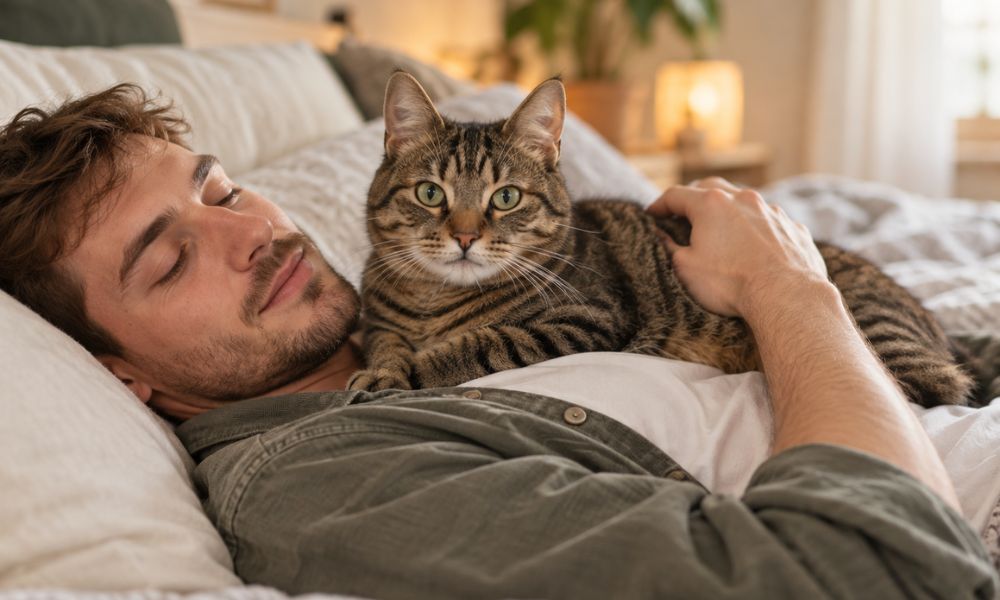
Men now make up 57.4% of Millennial cat owners in the United States, according to findings from CATalyst Council‘s 2026 State of the Cat Report.
The research, based on responses from more than 60,000 American households, also found that Millennials have become the largest generation of cat owners, accounting for 38% of the total.
That’s quite a different picture from the familiar stereotype of the lonely woman surrounded by cats.
I find the result interesting for a reason beyond the gender split.
Cats have always appealed to different kinds of people, yet popular culture has spent decades associating them with a remarkably narrow type of owner.
The numbers suggest that our image of the typical cat lover has some catching up to do.
And with nearly half of all American cat owners now being men, the change extends well beyond Millennials.
What the Largest US Cat Survey Actually Found
The 2026 State of the Cat Report was produced by CATalyst Council, a nonprofit organization focused on feline health and welfare.
Research firms Kynetec and Forward Group surveyed more than 60,000 U.S. households, making it the largest feline-focused household survey conducted in the country, according to the organization.
The findings reveal an interesting generational divide.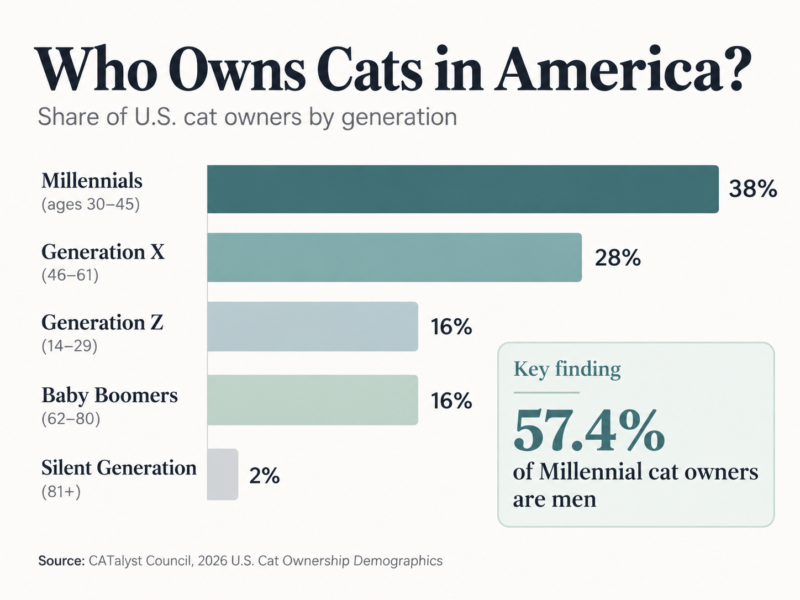
Millennials account for a considerably larger share of cat ownership than any other generation. And within that group, men outnumber women.
Across all generations, however, the gender split is almost perfectly even, with women representing 50.7% of cat owners and men accounting for 49.3%.
Men aren’t the majority of all American cat owners. They’re the majority among Millennials. That’s an important distinction, and one worth preserving when discussing the findings.
The Old Cat Lady Stereotype Looks Increasingly Outdated
For years, cats have been associated with women in popular culture. Men who preferred cats were sometimes treated as unusual, or at least less traditionally masculine than dog owners.
I’ve always found that distinction rather strange. A cat doesn’t become a fundamentally different companion depending on its owner’s gender. Its needs, personality, and ability to form relationships with people remain the same.
The new findings provide another reason to question those assumptions.
Younger Men Were Already Becoming More Prominent
CATalyst Council isn’t the first organization to notice the changing demographics.
The American Pet Products Association’s 2025 State of the Industry report found that men represented 46% of Millennial cat owners in 2024, with male ownership becoming more prominent among younger generations.
The newer CATalyst findings put that figure at 57.4%.
However, the two organizations conducted separate surveys using different research methods. We shouldn’t treat the difference between those percentages as an exact year-over-year increase.
What both studies establish is that younger men represent a substantial part of America’s cat-owning population.
Cats are increasingly visible in online content aimed at male pet owners, challenging long-standing stereotypes about who enjoys feline companionship.
And frankly, it’s probably time we stopped acting surprised that men enjoy having cats.
Why Are Cats Appealing to So Many Millennials?
The survey establishes who owns cats, but it doesn’t prove why Millennial men are choosing them.
There are several reasonable possibilities worth considering.
Cats Can Fit Different Living Arrangements
Cats can be practical companions for people living in apartments or managing busy schedules.
They don’t require outdoor bathroom trips several times a day, and many adjust well to indoor living when their environmental needs are met. Still, I dislike describing cats as effortless pets.
Being more independent than a dog doesn’t mean a cat needs less attention to its well-being.
Cats need opportunities to play, climb, scratch, investigate their surroundings, and interact with people. The Feline Veterinary Medical Association’s guidance on feline lifestyles emphasizes the importance of meeting these needs, particularly for indoor-only cats.
A cat can fit beautifully into someone’s lifestyle, provided that lifestyle also makes room for the cat.
Companionship Doesn’t Have One Personality
Another possible attraction is the particular kind of companionship cats offer.
Many cats enjoy affection and social interaction but also appreciate having control over when those interactions happen.
I think people sometimes mistake that independence for emotional distance.
That independence can be misleading in other ways, too. Research suggests that cats can recognize their own names, even when they don’t respond in the way their owners expect.
A cat choosing to sit beside someone, following them between rooms, or greeting them at the door can be wonderfully affectionate. It simply doesn’t always express attachment in the same enthusiastic way as a dog.
Cats can express attachment through subtle behaviors, including following their owners, seeking physical contact, and greeting familiar people.
Of course, none of that establishes why more Millennial men own cats. Personal preference, housing, household circumstances, and previous experiences with animals could all contribute.
The survey doesn’t isolate those explanations.
The More Important Finding Might Be About Veterinary Care
The gender figures attract attention, but another discovery from the CATalyst research concerns me considerably more.
The survey found that 90% of cat owners reported a very strong emotional bond with their pets, yet only approximately one in three cats receives annual veterinary care through a traditional veterinary practice.
For dogs, the corresponding estimate is roughly seven in ten. That’s a substantial difference.
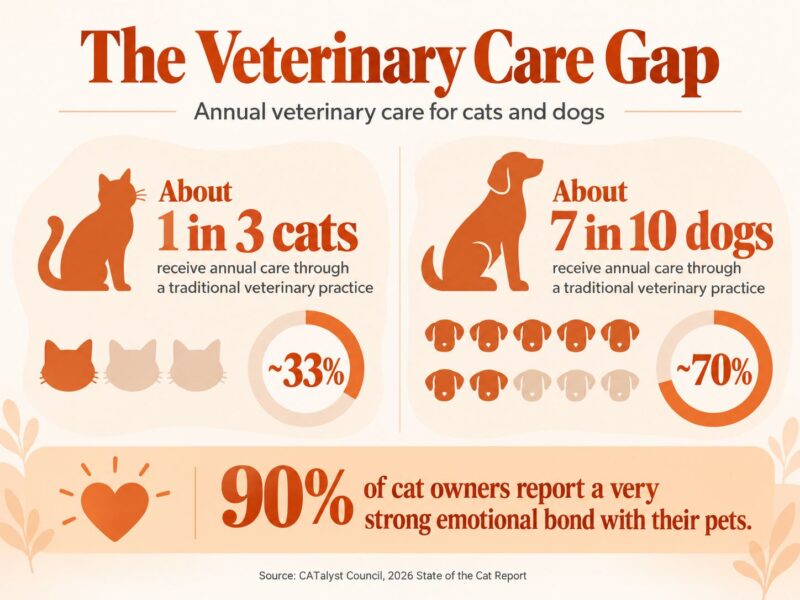
And it tells us something important about the relationship between affection and responsible care.
Loving your cat doesn’t automatically mean you know when it needs medical attention.
Why Aren’t More Cats Seeing Veterinarians?
The CATalyst Council’s detailed survey findings identify several obstacles to veterinary visits.
Among the barriers reported in the research were:
- Cost: 55% cited financial concerns.
- Carrier difficulties: 29% struggled with getting their cat into a carrier.
- Visit-related stress: 25% worried about the stress veterinary visits cause their cats.
Those concerns deserve to be taken seriously.
Anyone who has tried persuading a frightened cat to enter an unfamiliar carrier can appreciate why veterinary appointments become difficult.
What worries me, though, is that avoiding an unpleasant experience can mean missing early signs of illness.
Cats can hide discomfort remarkably well. Changes in appetite, grooming, activity, or litter box habits deserve attention even when an animal appears otherwise normal.
According to the AAHA and AAFP feline guidelines, cats should receive a thorough veterinary examination at least annually, with more frequent checkups recommended for seniors.
Making Veterinary Visits Easier
There’s a practical improvement owners can make before their next appointment.
Rather than retrieving the carrier only when it’s time to visit the veterinarian, leave it somewhere familiar. Add comfortable bedding and occasionally place treats inside.
The Cat Friendly Homes carrier recommendations explain how gradually building positive associations can reduce stress.
I much prefer helping a cat become comfortable with the carrier over treating every appointment like a wrestling match.
Small changes in preparation can make essential care easier for the animal and its owner.
What the Rise of Millennial Cat Dads Means for Animal Welfare
Shelters, rescue organizations, veterinarians, and pet businesses have good reasons to pay attention to the changing demographics.
For shelters, the findings are a reminder that potential adopters don’t necessarily resemble traditional advertising stereotypes.
A single man in his thirties, a retired couple, and a family with children can all provide excellent homes for cats.
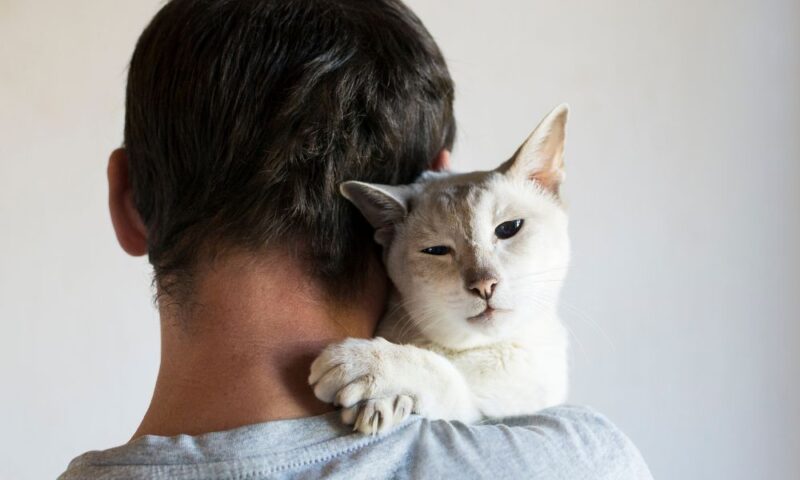
Their suitability depends on whether they can meet the animal’s needs, not whether they fit an imagined picture of a cat owner.
I would also like to see more emphasis on education during adoption.
CATalyst Council found that 62% of cats enter households through informal channels, including strays, friends, family, and unplanned litters. The organization discusses the implications in its feline care and adoption research.
Those cats can arrive without the veterinary guidance or adoption counseling that a shelter might provide.
Helping new owners establish appropriate healthcare, nutrition, enrichment, and routines matters far more than celebrating which demographic is adopting the most cats.
Cat Ownership Is Changing, and That’s Worth Celebrating
The 2026 CATalyst Council survey offers convincing evidence that America’s cat-owning population is more diverse than its familiar stereotypes suggest.
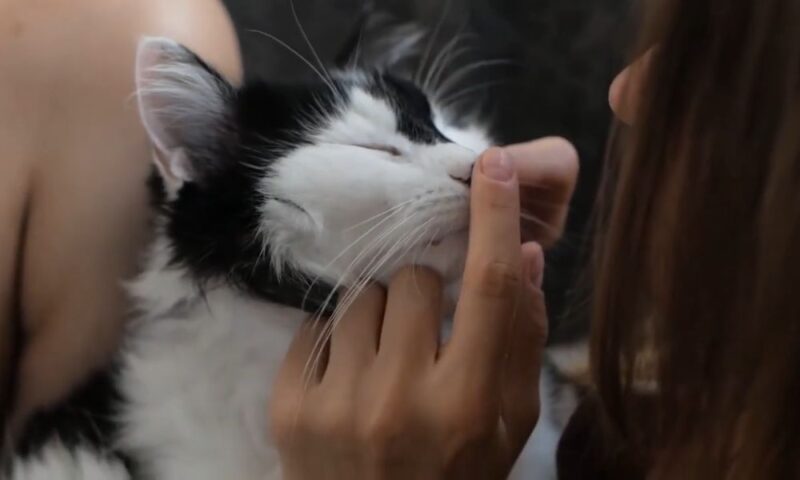
Millennials now account for the largest share of cat owners, and most cat owners within that generation are men.
I welcome that change in perception. There’s no good reason for affection toward cats to be associated with one gender.
Yet the finding I’d like people to remember isn’t simply that more men are sharing their homes with cats.
It’s that every new cat owner represents another opportunity to improve how we understand and care for these animals.
The cats themselves are probably considerably less interested in their owners’ demographic characteristics than in whether dinner arrives on time.