A Mother’s Dream in 2003 Has Become More Than 440,000 Quilts for Veterans
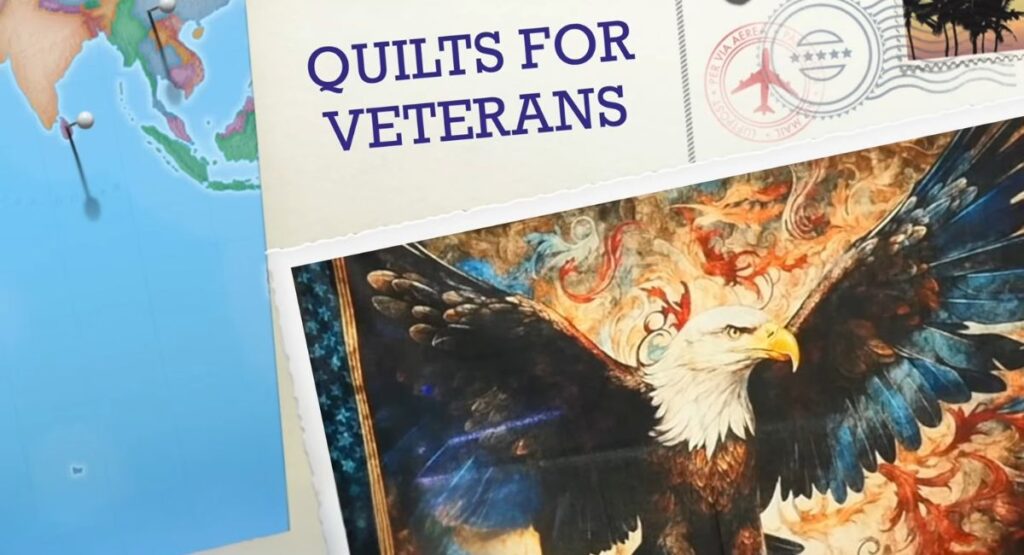
In 2003, a mother whose son was serving in Iraq had a dream she couldn’t shake.
She saw a young man sitting on the edge of his bed in the middle of the night, hunched over and overwhelmed by despair. Then the scene changed. The same young man was wrapped in a quilt, and something about him was different. He appeared calmer, comforted, and hopeful.
The mother’s name was Catherine Roberts. Her son, Nat, was deployed to Iraq, and the dream left her with a remarkably simple message:
“Quilts = Healing.”
Roberts couldn’t have known how far that idea would travel. More than two decades later, the organization she founded, Quilts of Valor, has awarded hundreds of thousands of handmade quilts to American military veterans and service members.
According to the Quilts of Valor Foundation’s official count, 457,107 quilts had been awarded by September 30, 2026.
That’s nearly half a million people receiving something made by someone who may never have met them, but nevertheless decided their service deserved recognition.
And while the numbers are impressive, I think the story becomes even more interesting when you look at what goes into making just one.
How One Mother’s Dream Became a National Movement
Catherine Roberts wasn’t setting out to build a nationwide nonprofit organization. She was a mother worried about her son during wartime, trying to find something meaningful she could do.
Her dream gave her a direction. As Roberts explains in the foundation’s history of its beginnings, the original idea was to bring volunteers together to create quilts for military personnel affected by war.
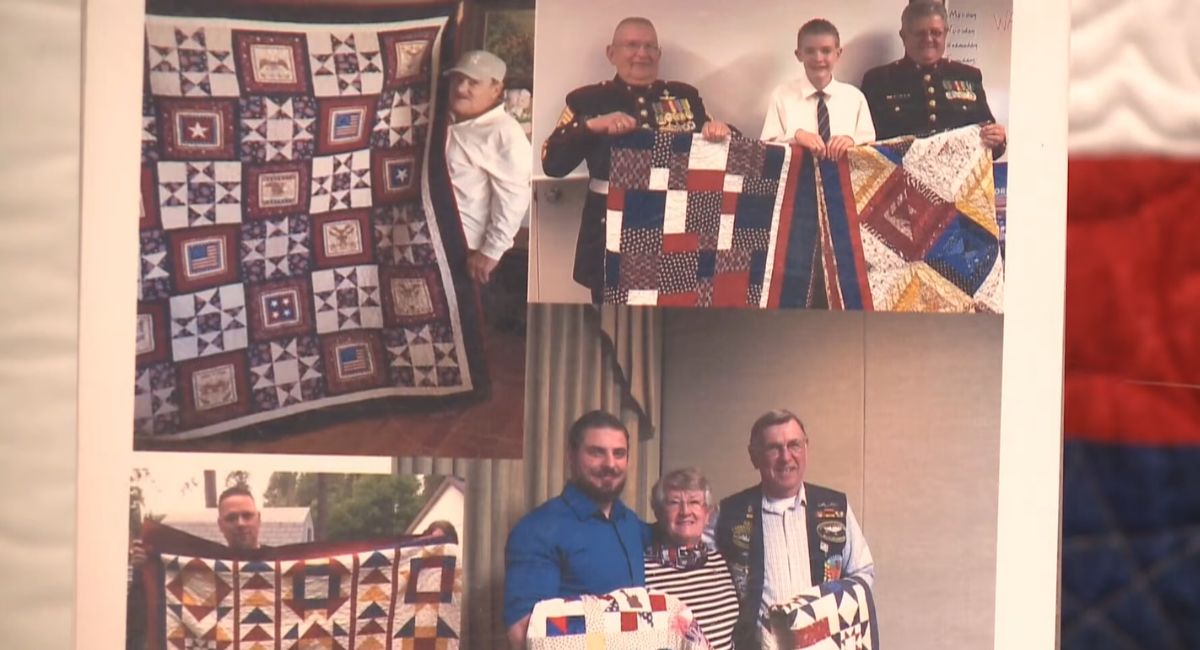
One person might assemble the quilt top, while another handled the quilting itself. The finished piece would then be presented to someone who needed comfort.
In November 2003, the first Quilt of Valor was awarded to a young soldier from Minnesota at Walter Reed Army Medical Center.
What happened afterward is a wonderful example of how ordinary people can accomplish extraordinary things without waiting for somebody important to organize them.
Quilters began contributing their time, fabric, skills, and equipment. Local groups formed. Word spread.
Eventually, the project grew into a national foundation with volunteers working throughout the United States.
I particularly like that the whole thing started with something Roberts already understood: quilting.
Quilting was already a deeply rooted American tradition long before Catherine Roberts founded Quilts of Valor. The following video takes a brief look at its history, showing how a craft passed down through generations became a way for communities to share stories, preserve memories, and bring people together.
She didn’t need to invent a revolutionary product or develop an elaborate fundraising strategy before helping somebody. She recognized that an existing skill could make a difference and found other people willing to put theirs to work.
That’s a lesson worth remembering.
These Aren’t Just Ordinary Blankets
I have a soft spot for projects where the finished object doesn’t reveal just how much work went into it.
A well-made cabinet looks straightforward until you’ve tried fitting a stubborn joint. A neatly painted room looks effortless until you remember the sanding, masking, and preparation. Quilting has its own version of that invisible labor.
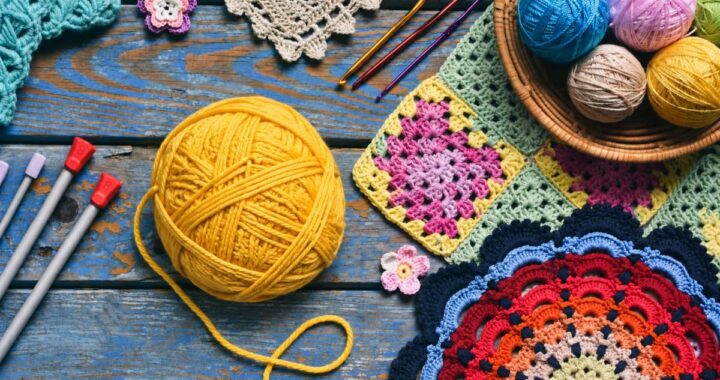
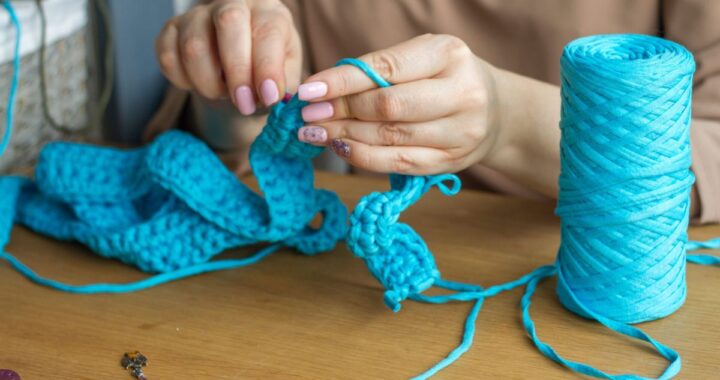
A Quilt of Valor involves selecting fabric, cutting pieces accurately, arranging patterns, sewing the top, adding batting and backing, quilting the layers, and finishing the edges.
The following video offers a closer look at Quilts for Veterans and the meaningful tradition of creating handmade quilts to honor military service. It highlights how fabric, craftsmanship, and thoughtful designs come together to express gratitude for those who have served.
And there’s considerably more planning involved than people unfamiliar with quilting might expect.
The foundation has specific requirements for making a Quilt of Valor:
- The finished quilt must measure between 55 by 65 inches and 72 by 90 inches.
- It must be quilted by hand or machine, rather than simply tied.
- It must use quality materials and include a label identifying the recipient.
Interestingly, red, white, and blue fabrics aren’t mandatory, although patriotic colors remain popular.
I appreciate that flexibility. The meaning comes from the workmanship and the intention, not from following one particular color scheme.
And machine quilting doesn’t make the result any less meaningful. There’s still human judgment involved in creating something sturdy, attractive, and personal.
For me, that combination of practical skill and purpose is what makes craftsmanship worth celebrating.
Why the Quilts Are Awarded, Not Simply Given Away
There’s an important distinction in how the foundation approaches its work.
A Quilt of Valor isn’t treated like an ordinary birthday present or a promotional giveaway. It’s an award recognizing military service and sacrifice.
Presentations can take place privately or during community gatherings.
In many ceremonies, the recipient is wrapped in the quilt.
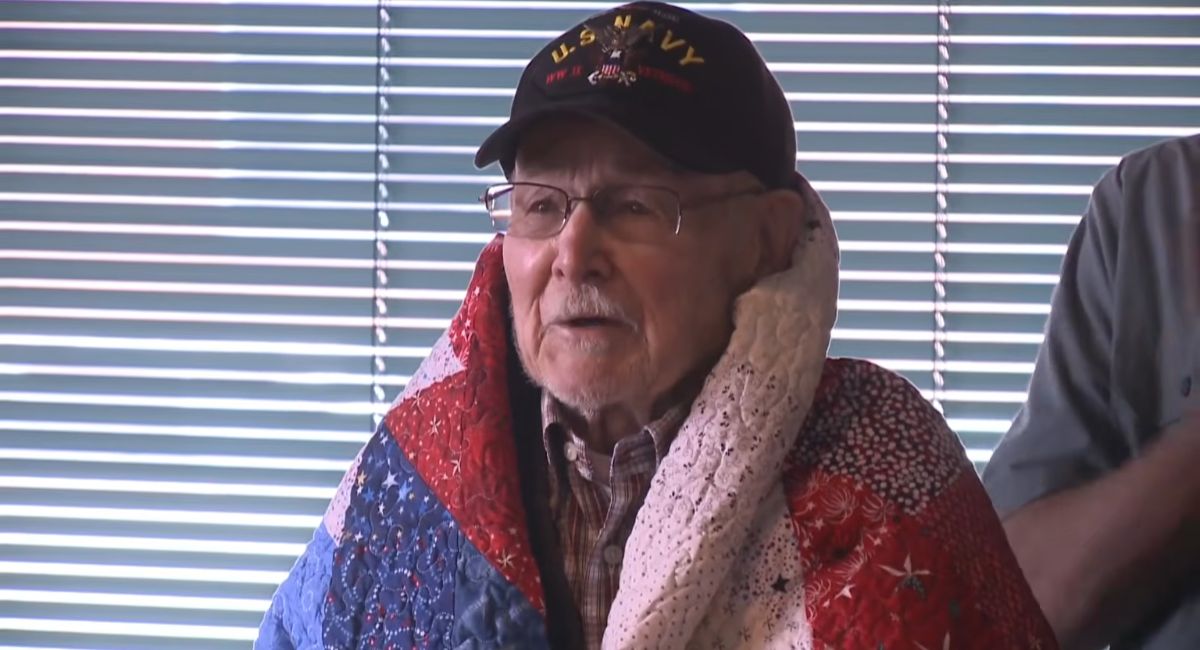
That gesture is probably the most powerful part of the entire project.
A certificate can be filed away. A plaque might end up on a shelf. A quilt provides something more immediate: warmth, weight, and the feeling of being physically surrounded by an expression of gratitude.
There’s another detail I find particularly thoughtful. The foundation doesn’t permit surprise awards. Recipients should know what is happening and have the opportunity to decline.
That might seem like a small administrative rule, but I think it shows considerable respect. Not every veteran wants public attention, and recognition shouldn’t become an uncomfortable experience simply because the people presenting it have good intentions. It’s their moment, after all.
The 450,000th Quilt Went to a Veteran With an Extraordinary Family Story
In July 2026, the foundation announced another milestone: its 450,000th Quilt of Valor had been awarded to Karee Van Wert White of North Carolina.
White served three tours of duty before retiring from the U.S. Army as a major. She and her husband, Jim, also a veteran, raised nine children, seven of whom have served or are currently serving in the military. Their family’s experience includes tremendous hardship.
Their oldest daughter suffered a traumatic brain injury while stationed in Italy following a deployment to Afghanistan. White and her family brought her home and became deeply involved in her continuing care.
White subsequently became an advocate for military caregivers and families dealing with traumatic brain injuries.
Her story reminds me that military service doesn’t necessarily stop affecting a family when someone takes off the uniform.
Sometimes the challenges continue for years, involving spouses, children, parents, and caregivers whose contributions are far less visible.
A quilt obviously cannot solve those problems. But it can acknowledge that somebody’s sacrifices have been noticed. And I suspect that matters more than we sometimes realize.
Can a Quilt Really Help Someone Heal?
This is where I think it’s important to be careful with words.
Roberts’ dream connected quilts with healing, and comfort remains central to the foundation’s mission. But a handmade quilt isn’t medical treatment for post-traumatic stress disorder, depression, or physical injuries.
It would be unfair to veterans to suggest otherwise. What a quilt can offer is recognition, connection, and something tangible that says another person cares.
Those things aren’t the same as clinical treatment, but that doesn’t make them meaningless.
Consider a veteran who rarely discusses their military experiences. Someone presents them with a quilt requiring many hours of work, made by people who wanted to express their appreciation.
There doesn’t have to be a dramatic emotional reaction for that exchange to matter. Sometimes a quiet thank-you is enough.
I’ve always thought handmade objects carry a particular kind of significance precisely because time is involved. You can buy plenty of beautiful things, but you can’t purchase back the hours another person chose to spend making something for you.
A Quilt of Valor represents those hours.
You Don’t Have to Be an Expert Quilter to Help
One encouraging thing about the organization is that participation isn’t limited to people capable of completing an entire quilt independently.
Experienced quilters can contribute finished pieces, while others may help assemble quilt tops, prepare materials, or work with local volunteer groups.
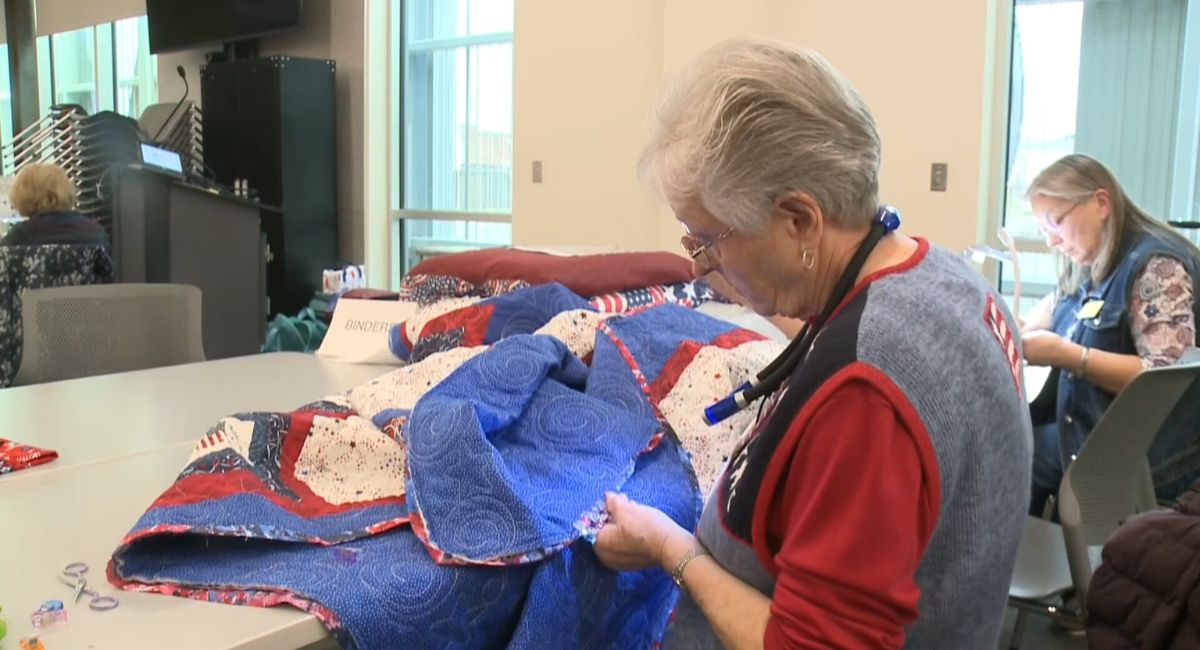
The foundation also offers information about participating in its quilting efforts and connecting with people already doing the work.
If you know a veteran or active-duty service member who might qualify, you can also submit a nomination through the foundation.
Of course, anyone considering getting involved should read the organization’s current requirements before starting a project.
Nobody wants to spend weeks making something only to discover it doesn’t meet the guidelines.
That would be an especially frustrating lesson in measuring twice and cutting once.
Nearly Half a Million Quilts, One Stitch at a Time
What stays with me about this story isn’t merely the number of quilts.
It’s that Catherine Roberts’ idea has continued for more than 20 years because thousands of people decided to contribute what they could.
Most will never become famous for their work. Some might never meet the person who receives their quilt. Nevertheless, they keep sewing.
At Topikaro, we’ve always valued people who enjoy making things, particularly when craftsmanship serves a purpose beyond producing something attractive.
A quilt won’t erase the difficulties someone experienced during military service. It won’t replace healthcare, financial assistance, or the support veterans may need when returning to civilian life.
But it can offer a personal reminder that their service hasn’t been forgotten.
And sometimes that reminder takes the form of carefully chosen fabric, countless stitches, and an ordinary person sitting at a sewing machine.
Catherine Roberts dreamed of one troubled young man finding comfort beneath a quilt in 2003. More than 457,000 quilts later, people are still working to make that dream a reality.