Crochet vs. Knitting for Beginners, Which Is Easier to Learn Without Taking Classes?
I grew up watching my grandfather turn ordinary pieces of wood into useful things in his little workshop.
What fascinated me was watching something that looked terribly complicated become almost effortless in experienced hands.
Of course, when you’re a kid, you don’t see the years of practice behind those movements.
You just assume that picking up a tool and knowing exactly what to do with it are somehow the same thing. I learned otherwise.
That’s something I still think about whenever someone asks whether crochet or knitting is easier to learn without taking classes. B
oth look wonderfully straightforward when an experienced person is doing them. Put the tools into a beginner’s hands, though, and it’s an entirely different story.
My recommendation is crochet, and I don’t think it’s a particularly close contest.
Knitting is a fantastic craft, especially for making clothing. But if you’re sitting at home with a ball of yarn, no instructor, and absolutely no idea what you’re doing, crochet gives you a much better fighting chance.
And having spent years around different kinds of handcrafts, I’ve come to believe that your first experience matters enormously.
A difficult first project can convince someone they lack talent when all they really lacked was a sensible starting point.
If you’re still unsure whether crochet or knitting is the better choice, this video from Elise Rose Crochet offers a helpful comparison of both crafts. It gives beginners a closer look at their differences and what to consider before choosing which one to learn first.
One Hook Is Easier to Manage Than Two Needles
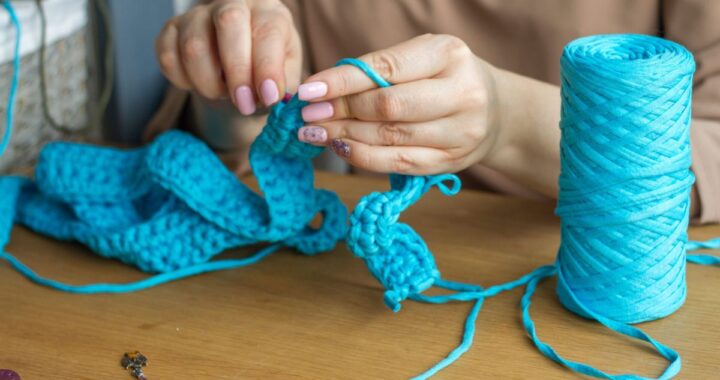
The basic difference is simple. Crochet uses one hook, typically leaving just one active loop on it after each completed stitch.
Knitting generally uses two needles, with an entire row of active stitches waiting to be worked.
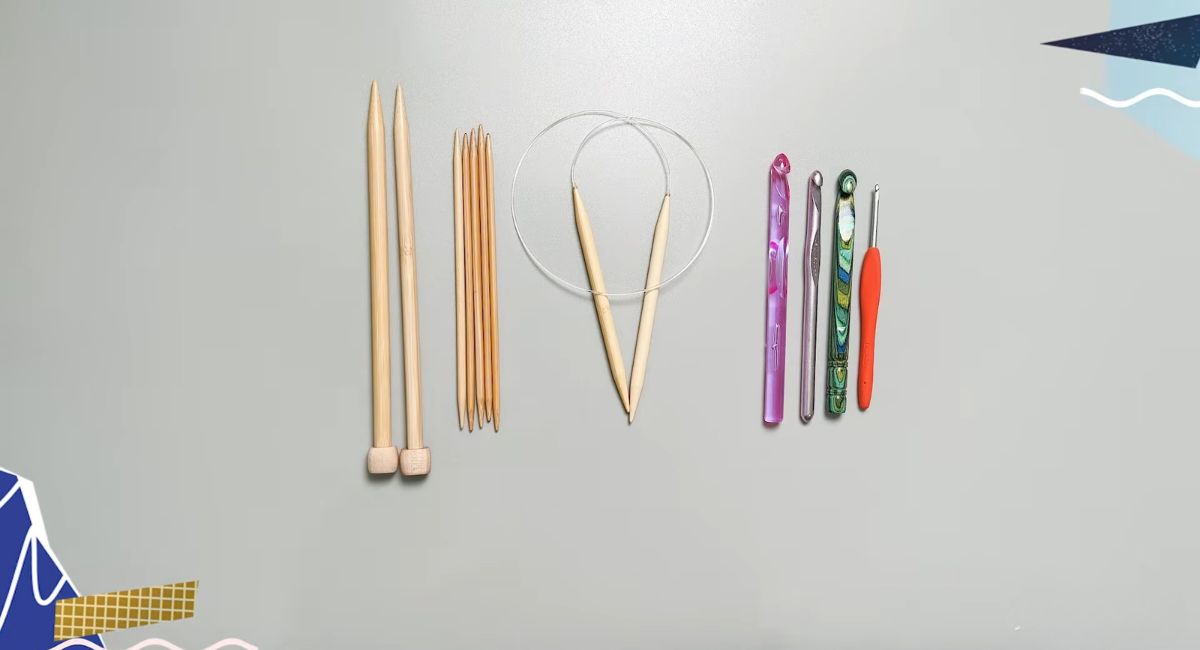
The Craft Yarn Council explains the distinction, including how these techniques produce different fabrics.
Now, I’m not someone who believes fewer tools automatically mean less difficulty.
I’ve used plenty of simple-looking tools that required considerably more patience than the expensive machinery sitting beside them. But crochet really does have an advantage here.
With knitting, you’re managing two needles, the yarn, your stitch tension, and all those little loops that need to stay exactly where they belong.
Crochet lets you concentrate on one hook and one stitch at a time.
There’s a particular frustration that comes with learning a new physical skill. Your brain understands what needs to happen, but your fingers apparently haven’t received the instructions.
You watch someone perform a movement. You try copying it. Your hands produce something entirely different. Having fewer things to coordinate makes that stage much more manageable.
Mistakes Are Where Crochet Really Pulls Ahead
This is the strongest argument for crochet, and I don’t think beginners hear it often enough.
Crochet is generally easier to undo when something goes wrong.
Make a mistake several stitches back? You can remove the hook, carefully pull the yarn until you’ve reached the mistake, and start again.
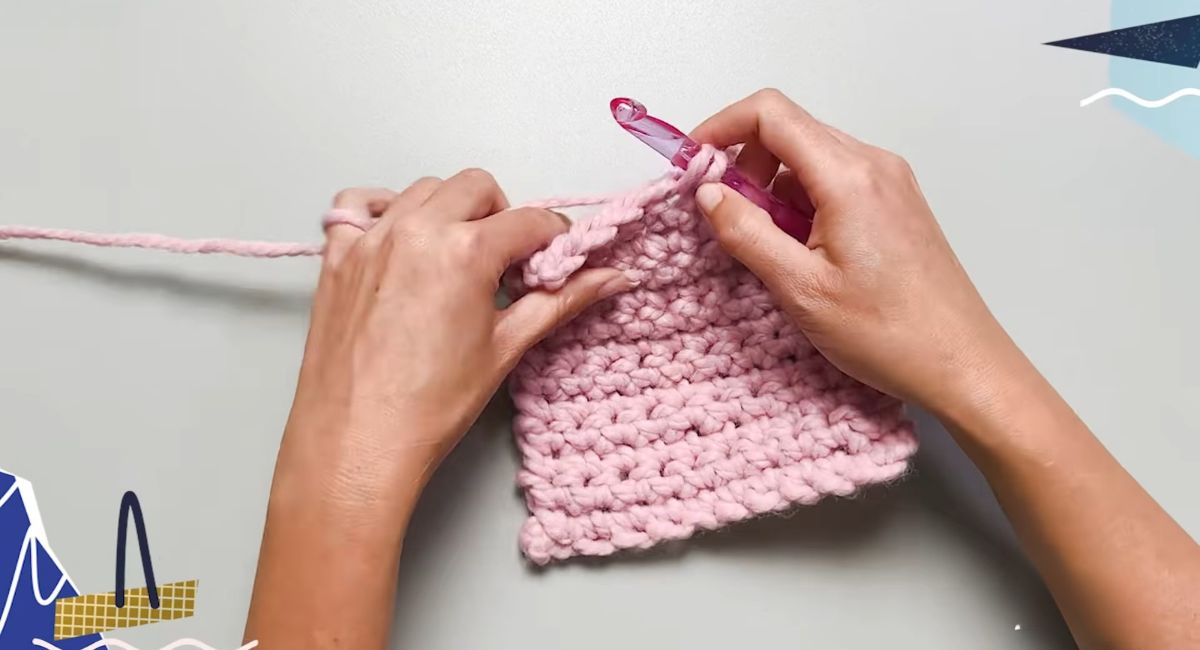
Knitting is less forgiving because multiple stitches remain live on the needles. Undoing rows or rescuing dropped stitches can require extra techniques that beginners haven’t learned yet.
And here’s where my grandfather’s workshop comes back to mind. One of the most useful lessons I took from watching things being made was that mistakes weren’t unusual interruptions. They were part of the work.
A piece didn’t fit. A measurement needed checking. Something had to be adjusted before the job could continue.
I still think about that whenever I see beginner tutorials promising perfect results with practically no effort. I can’t stand those tutorials.
They show beautiful hands making beautiful stitches with beautiful yarn. Every movement goes perfectly, and five minutes later there’s a finished project sitting on the table.
What happens when you put the hook through the wrong loop? What if your edges start wandering sideways? That’s the information beginners actually need.
A craft that’s easy to correct is a craft that’s easier to stick with. Crochet wins that argument decisively.
But I Wouldn’t Choose Crochet for Everything
Now, before the knitters decide I’ve declared war on their craft, there’s something worth explaining.
If I wanted to make a beautifully fitted sweater or a traditional pair of socks, I’d lean toward knitting.
Knitted fabric tends to be stretchy, relatively thin, and capable of draping naturally around the body.
Crochet often creates a more substantial, structured fabric, although the yarn and stitch pattern can change that considerably.
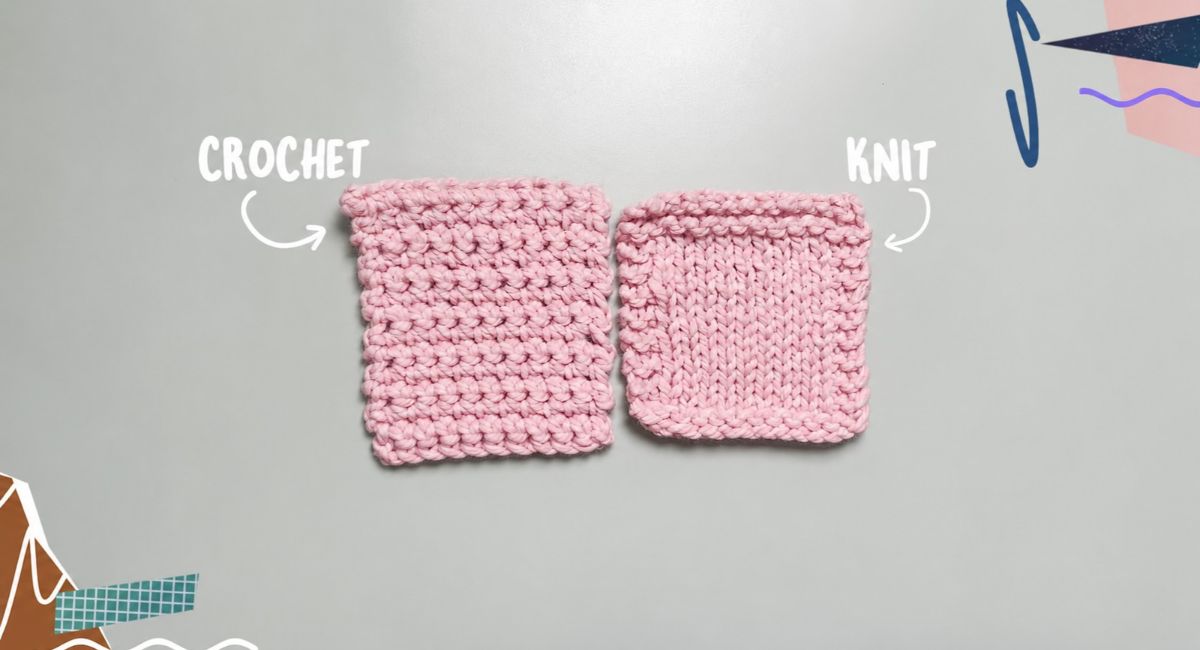
That makes crochet especially appealing for blankets, baskets, decorative pieces, bags, and stuffed animals.
Here’s how I’d divide things for a beginner:
- Dishcloths, coasters, granny squares, and small bags: Start with crochet.
- Fitted sweaters and traditional socks: Knitting has the advantage.
- Blankets: Both are excellent, but I’d choose crochet for a first attempt.
- Stuffed animals: Crochet is particularly good at building three-dimensional shapes.
There are plenty of claims about crochet and knitting, but how many are actually true? In this video, Elise Rose Crochet explores common myths about yarn usage, speed, difficulty, and machine production, helping beginners better understand the differences between the two crafts before choosing where to start.
I also think crochet deserves more appreciation for the amount of handwork involved.
As I explored in my earlier article about why machines still struggle to crochet, traditional crochet requires considerable control over yarn tension, stitch placement, and the developing fabric.
There’s something satisfying about that. You’re constructing an object stitch by stitch, making small decisions with your hands.
It’s the same quality that drew me toward woodworking in the first place. I like being able to understand how something was made, rather than simply admiring what it looks like when it’s finished.
If You’re Learning Alone, Don’t Start With an Ambitious Project
I have a particular dislike for beginner projects that are far too complicated for actual beginners. I’ve seen this problem across plenty of DIY activities.
Someone wants to try woodworking, so they choose an elaborate piece of furniture. Someone discovers painting and immediately attempts a detailed landscape. A new crocheter finds a gorgeous oversized blanket online and decides that’s where they’re starting.
I understand the excitement. The finished object is what attracted you in the first place.
But there’s a difference between being ambitious and setting yourself up for a miserable weekend.
My advice is to make your first crochet project almost embarrassingly simple.
Start with One Hook and Ordinary Yarn
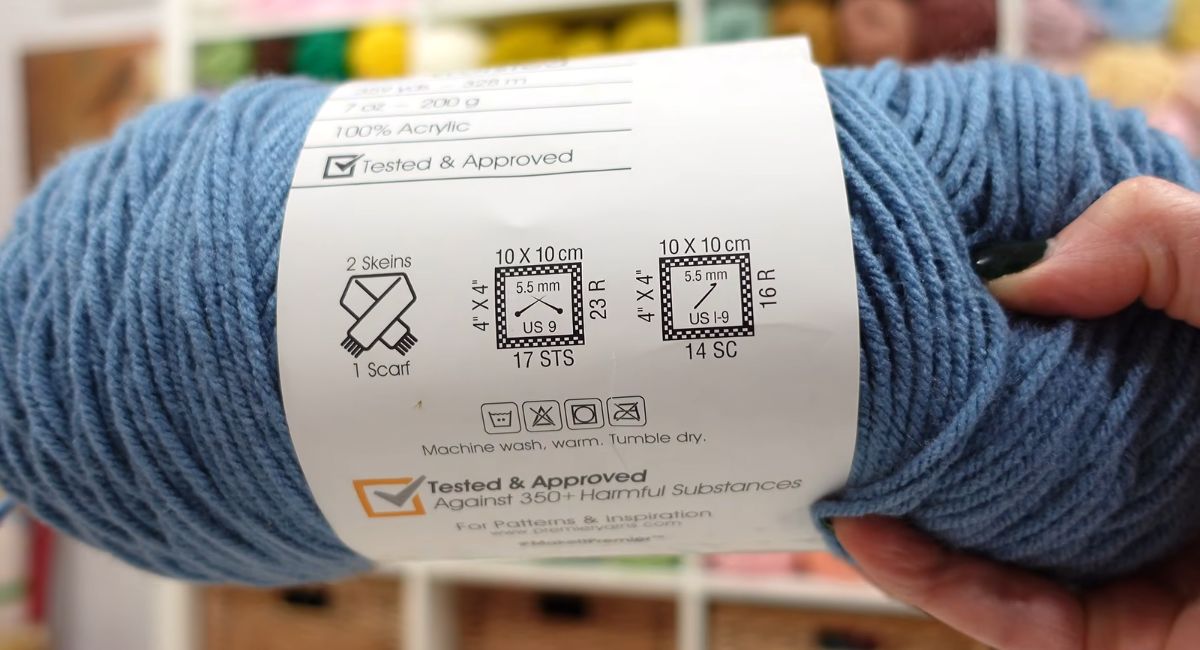
Buy a smooth, light-colored, medium-weight yarn and a suitable hook. For many medium-weight yarns, a 5.5 mm or 6 mm hook makes a reasonable starting point. The Craft Yarn Council’s yarn-weight guide can help you match the tools.
Avoid black yarn, fuzzy textures, and complicated specialty fibers. You want to see your stitches clearly.
And please don’t buy a ridiculous collection of accessories before you’ve made your first stitch.
I’ve always had strong opinions about tools. A good tool earns its place by helping you do something. Owning a drawer full of equipment you haven’t learned to use isn’t craftsmanship. It’s shopping.
Learn Three Things Before Anything Else
Start with a slip knot, a foundation chain, and single crochet. That’s enough to begin making a useful piece of fabric.
The Craft Yarn Council’s illustrated crochet instructions demonstrate these basics.
Find one good close-up video, too. Pause it, replay it, and watch precisely how the hook enters the stitch.
And don’t jump between five different instructors unless you have a genuine reason.
One person shows the hook held like a pencil, another holds it more like a knife, and suddenly you’re wondering whether you’ve misunderstood the entire craft.
Also, remember that US and UK crochet terminology differs. Make sure you know which system your tutorial uses.
Make a Dishcloth, Even If It’s Ugly
This is the project I’d recommend without hesitation. A simple cotton dishcloth teaches you how to maintain tension, count stitches, turn your work, and keep the edges reasonably straight.
Your first one might come out crooked. Fine. If the rows are uneven and the corners look questionable, you’ve still learned something useful.
That matters to me because I remember how easy it was, as a young observer of craftsmanship, to admire the finished piece without appreciating all the work that came before it.
A perfectly finished object doesn’t tell you much about the mistakes someone made learning to produce it.
A crooked first dishcloth tells you quite a lot. Use it anyway. It’s not entering an exhibition. It’s going beside the kitchen sink.
What If Knitting Feels Better in Your Hands?
Then knit. I really mean that.
Although I strongly recommend crochet as the easier starting point, I’m not interested in turning personal preference into a rule everyone must obey.
Some people find the rhythm of knitting surprisingly natural. Others struggle to identify where their crochet hook should enter the next stitch.
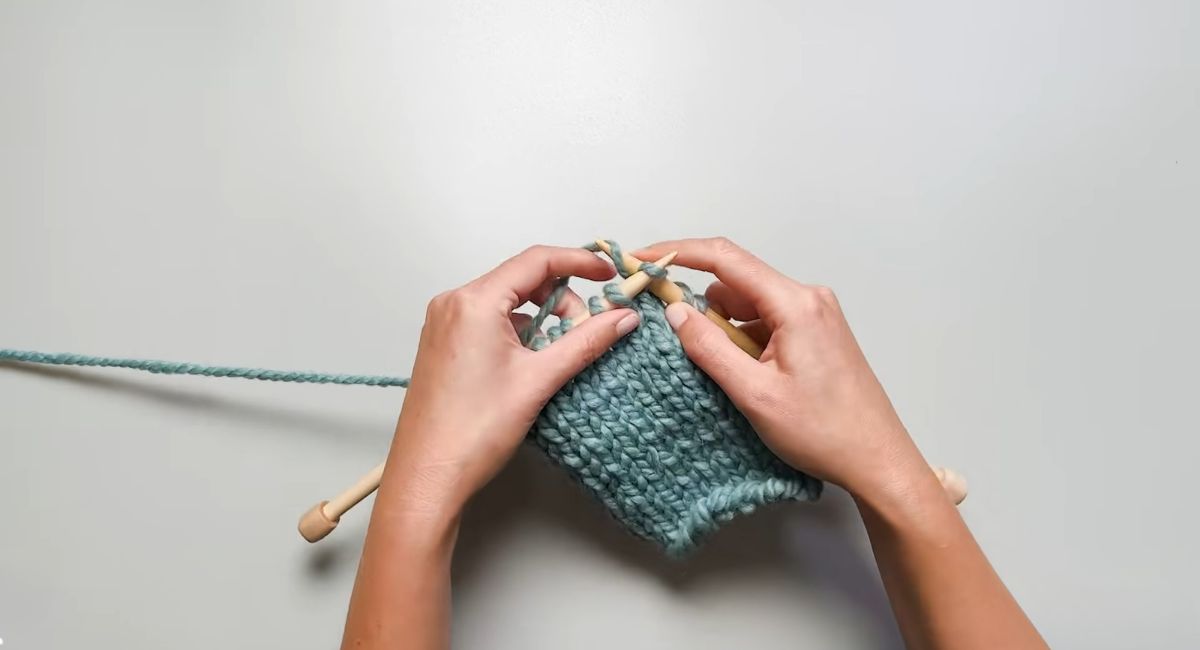
If knitting appeals to you, begin with casting on and the knit stitch. Repeating knit stitches across every row produces garter stitch, an excellent place to start.
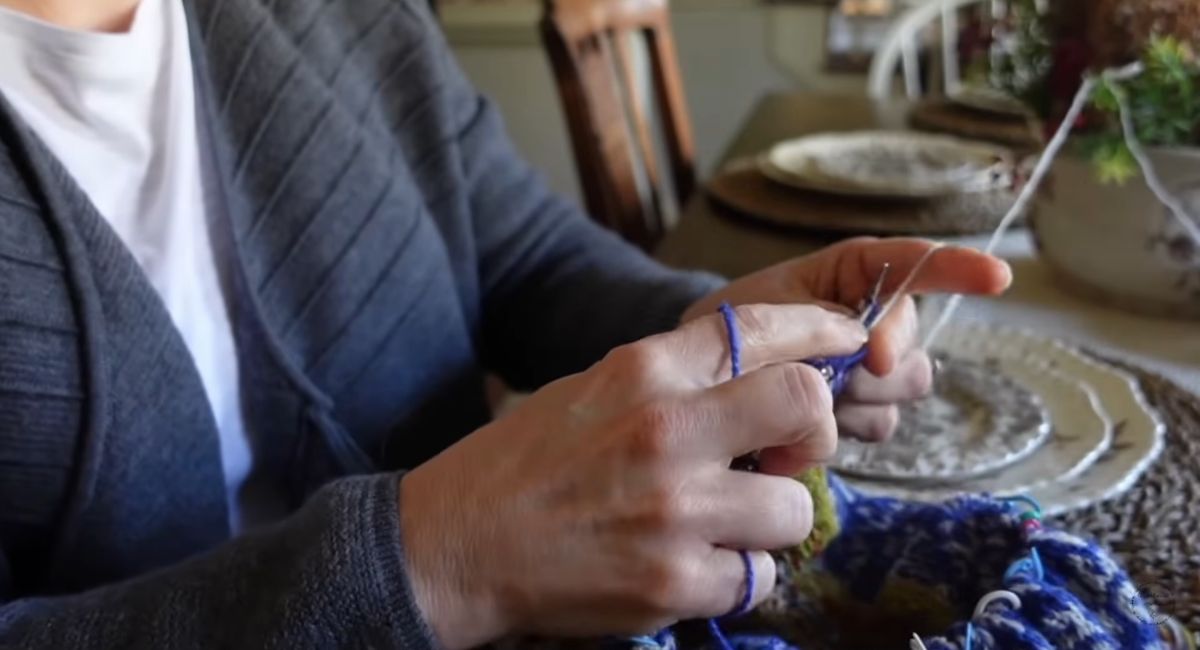
The Craft Yarn Council’s beginner knitting instructions explain the process. But whichever craft you choose, don’t try to learn everything at once.
Master a basic movement. Repeat it until your hands become comfortable. Then add something new. That’s how practical skills become familiar rather than overwhelming.
Crochet First, Knitting Later
The older I get, the less patience I have for the idea that a craft is somehow more respectable because it’s difficult to learn. Difficulty isn’t a virtue by itself.
Good craftsmanship requires patience, attention, and practice. It doesn’t require making every beginner struggle unnecessarily.
Crochet is my winner because it uses one hook, offers relatively straightforward ways to correct mistakes, and lets you produce useful objects without learning a dozen techniques first.
Knitting may eventually become your favorite, particularly if you’re drawn to clothing. There’s no reason you can’t learn both. But I would start with crochet.
And I’d remember something about those hours I spent watching my grandfather work: what looked effortless to me had taken time to learn.
That’s the part beginners tend to underestimate.
Not every attempt will be successful. Some stitches will be too tight, others too loose, and a few projects will probably never become what you intended. I don’t see that as failure.
I’d rather see someone proudly using a lopsided dishcloth they made themselves than abandoning a beautiful blanket halfway through because they were trying to impress someone.
Start small. Learn the movements. Let yourself make mistakes. The beautiful things can come later.