Searches for Mahjong Clubs Rose Almost 4,500% as Young Americans Pull Up a Chair
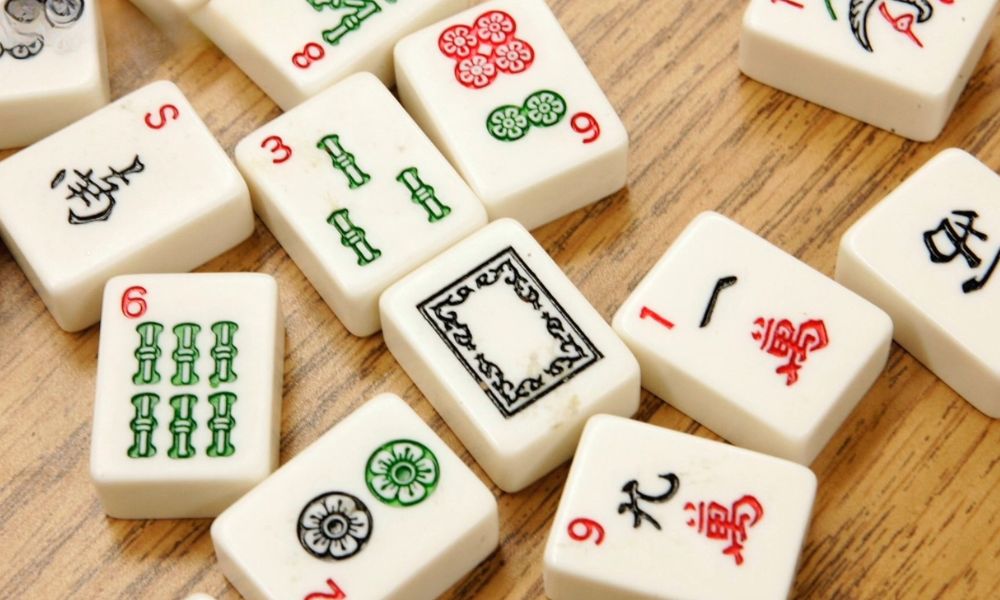
Mahjong is enjoying a remarkable comeback in the United States, and younger Americans are helping bring the centuries-old Chinese game into a new generation of social clubs, bars, and game nights.
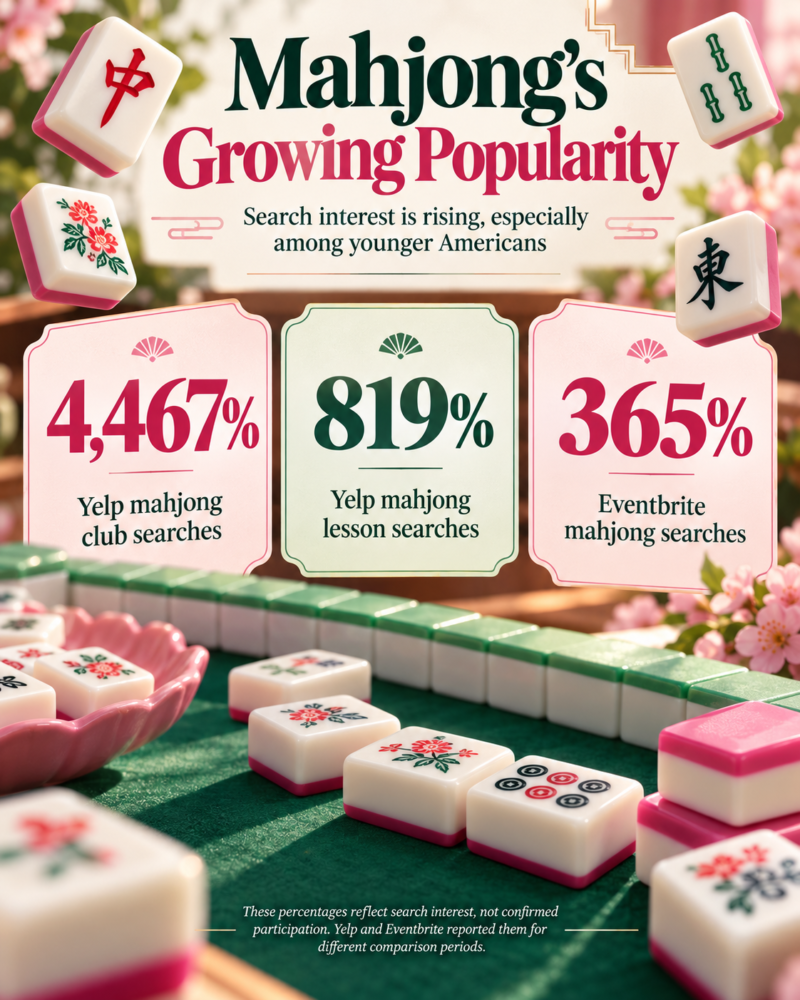
According to Yelp’s 2026 Trend Forecast, searches for mahjong clubs increased 4,467%, while searches for mahjong lessons climbed 819%. The figures compare September 2024 through August 2025 with the preceding 12 months.
That’s a staggering jump for a game many Americans still associate with their grandparents.
What interests me more, though, is why younger people are becoming so interested in mahjong. It’s a fairly complicated game with no flashy graphics, no battle passes, and no digital rewards demanding your attention tomorrow.
You sit around a table, study your tiles, make decisions, and occasionally discover that your carefully considered strategy was terrible. Apparently, that’s exactly the kind of entertainment people are looking for.
Mahjong Club Searches Are Surging, but There’s More to the Story
The Yelp numbers are impressive, although there’s an important distinction between people searching for mahjong clubs and people actually joining them.
Still, other evidence suggests this isn’t simply a case of internet curiosity.
In June 2025, Eventbrite reported a 365% increase in mahjong searches across its platform. The company also identified growing interest in traditional, hands-on activities among younger Americans looking for alternatives to screen-based entertainment.
More recently, local clubs have reported substantial attendance increases.
In Philadelphia, the Philly Mah-jawns Mahjong Club has seen its weekly gatherings grow from approximately 20–25 people to 50–55, according to an August 2026 report from 6abc. Club president Mike Lee said the number of newcomers had doubled over the previous year.
Meanwhile, dedicated mahjong venues are opening in cities including Dallas and Cleveland, offering lessons, organized leagues, and regular social games.
I find the growth in beginner lessons particularly revealing. People aren’t simply looking at attractive tile sets online. They’re searching for someone who can teach them how to play.
That’s a more encouraging sign for the game’s future than another viral social media trend.
Why Are Young Americans Getting Into Mahjong?
Mahjong’s popularity fits into a broader interest in offline hobbies, although I think the game itself deserves more credit than it’s getting.
Plenty of activities let people put their phones down. Far fewer combine genuine strategic decisions, friendly competition, and regular conversation quite as effectively.
The growing interest in mahjong is also showing up on social media, where younger players are sharing their enthusiasm for the game.
In the Instagram Reel below, One More Mahjong highlights the surge in mahjong club searches and the role Gen Z is playing in bringing this traditional pastime into a new social setting.
View this post on Instagram
It’s a Social Game That Gives People Something to Do
One awkward thing about meeting new people is that conversation becomes the entire activity. Mahjong solves that problem rather elegantly.
Four players sit around a table, and everyone has something to concentrate on. You can talk about the game, ask questions, laugh about a bad decision, or simply focus on your next move.
There’s no pressure to keep a conversation going every second. I think that explains part of the appeal of organized mahjong nights. The game provides structure without making the social interaction feel forced.
It’s something I appreciate about tabletop gaming generally. A good game gives strangers a shared problem to think about, and that can make getting to know someone considerably easier.
Mahjong studios are developing into regular gathering places, with some operators seeing players return for lessons, leagues, and open-play sessions, according to February 2026 reporting from the International Council of Shopping Centers.
Essentially, the game gets people through the door. The community gives them a reason to return.
There’s More Strategy Than Beginners Expect
Mahjong might look like an elaborate tile-matching game, especially if your main exposure comes from the solitaire games found on computers and phones. Traditional multiplayer mahjong is considerably more interesting.
Players generally draw and discard tiles while trying to assemble a winning hand. The precise combinations and scoring depend on the version being played. The decisions become fascinating once you start thinking beyond your own tiles.
You have to consider what you’re collecting, which tiles are available, what your opponents might need, and whether your original plan is still realistic.
Suppose you’re close to completing one combination, but the tiles you need have already been discarded or claimed. Do you keep pursuing it, hoping the remaining tiles cooperate, or change direction?
Neither choice is automatically correct. That’s where mahjong gets its strategic depth. Luck determines which tiles appear, yet your decisions influence how effectively you use them.
I have a soft spot for games that force players to reconsider their plans. Following the same strategy regardless of what happens around you isn’t particularly interesting. Adapting to new information is. Mahjong rewards exactly that kind of thinking.
Beginners Can Enjoy It Without Becoming Experts
Mahjong has a genuine learning curve. Different tiles, unfamiliar terminology, and variations in scoring can make the first session intimidating.
American mahjong adds its own challenge through a yearly card listing the winning hands players can build.
I wouldn’t describe the game as effortlessly beginner-friendly. Pretending otherwise doesn’t help anyone sitting down for the first time. What makes it approachable is the ability to learn alongside other people.
A beginner doesn’t need to memorize every possible combination before enjoying a casual game. They need a patient explanation, a useful reference, and enough opportunities to practice. The pleasure of improving is another attraction.
Recognizing a promising hand, understanding why a discard was risky, or successfully changing strategies can feel rewarding long before someone becomes particularly competitive.
And unlike many modern video games, mahjong doesn’t require players to complete daily challenges to maintain their progress. Missing Tuesday’s game night won’t make your tiles expire.
Mahjong Isn’t One Game With One Set of Rules
One detail that gets overlooked in discussions about the mahjong revival is that different communities play significantly different versions of the game.
They share historical roots and recognizable mechanics, but they aren’t interchangeable.
How mahjong spread from China to other parts of the world, giving rise to different regional variations of the game.
| Version | What Makes It Different |
|---|---|
| Chinese and Hong Kong variants | Generally involve creating combinations of numbered and honor tiles, with scoring and particular rules varying by version. |
| American mahjong | Uses jokers, a tile-passing phase called the Charleston, and an annually updated card of winning hands. |
| Japanese riichi mahjong | Features specific scoring requirements, defensive play, and the ability to declare riichi when one tile away from a qualifying winning hand. |
That isn’t the four-player game driving the current club revival.
American mahjong has become especially visible in the new wave of commercial clubs, although Chinese and other Asian versions continue to have their own communities and gatherings. For newcomers, this is very important.
Someone learning American mahjong won’t automatically know how to play Japanese riichi or Hong Kong mahjong. The underlying ideas are related, but there are enough differences to require another lesson.
I actually find that variety exciting. Mahjong isn’t a single rulebook that everyone needs to follow. It’s a family of games that developed different traditions, challenges, and styles of play.
Just make sure you know which version your local club teaches before arriving with the wrong expectations.
Mahjong’s American History Goes Back More Than a Century
Calling mahjong a new trend risks overlooking the generations of people who kept it alive long before younger Americans began posting pictures of colorful tile sets.
The game developed in 19th-century China and became enormously popular in the United States during the 1920s.
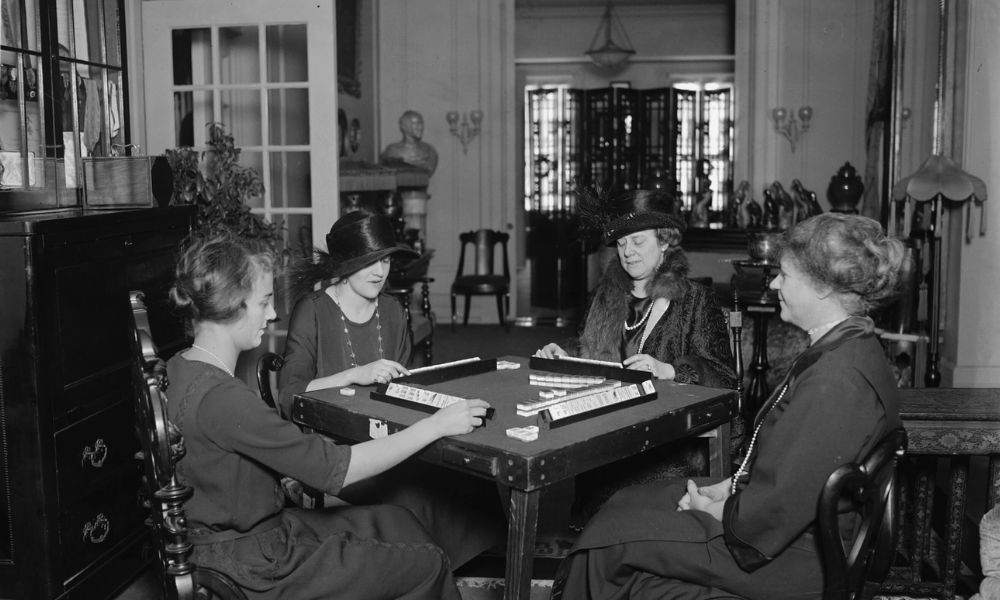
Chinese American communities maintained important gaming traditions, and mahjong also became deeply embedded in American Jewish social life.
In 1937, the National Mah Jongg League was established in New York City to standardize a distinctly American version of the game.
The organization continues to publish the annual card of winning hands, including its official 2026 card.
For many Jewish American women, regular mahjong games became an enduring opportunity for friendship, social organization, and community.
Mahjong became an important part of Jewish American social life during the 20th century, connecting generations through regular gatherings.
Its importance within Chinese American families and other Asian American communities is equally meaningful, though the games and traditions can differ substantially.
The Strong National Museum of Play maintains a mahjong oral history collection documenting the game’s development and American cultural significance.
I think acknowledging that history makes the current revival more interesting.
The remarkable story isn’t that Americans suddenly discovered an unfamiliar game. It’s that a game with a long, established history is finding additional audiences who appreciate many of the same qualities that made it popular generations ago.
Good game design can outlive entire generations of technology.
Mahjong has already demonstrated that several times.
The Cultural Conversation Behind the Revival
The growing popularity of mahjong has also raised questions about cultural appreciation, commercialization, and whether the game’s Chinese origins receive enough recognition.
As fashionable mahjong clubs and luxury sets become more visible, some players worry that the game’s history is being overshadowed by its new image as a trendy American pastime.
In a May 2026 discussion with GBH, Chinese American players spoke about the differences between Chinese and American mahjong and the importance of recognizing where the game came from.
Michelle Yee, who learned mahjong through her family, emphasized that people playing different versions should still understand the game’s origins and evolution. It’s a reasonable concern.
Games move between countries and communities all the time. Rules change, new traditions develop, and players discover approaches that their predecessors never imagined.
That evolution is part of what makes gaming history so fascinating. Still, enjoying a game shouldn’t require pretending its cultural history began when a fashionable American club opened.
My view is straightforward: welcoming new players and respecting the people who preserved the game are perfectly compatible goals. Learning a little about mahjong’s origins is hardly an unreasonable price of admission.
The Mahjong Boom Has an Expensive Side, Too
One development I find less appealing is the transformation of mahjong into a premium lifestyle product.
There’s nothing wrong with beautifully made tiles, specialized tables, or dedicated gaming spaces. People spend money on hobbies they enjoy, and good equipment can improve the experience.
Some newer establishments, however, are promoting mahjong alongside luxury accessories, exclusive memberships, and elaborate game-night experiences.
The ICSC’s reporting described mahjong tables at one Dallas studio selling for between $945 and $4,800.
That’s a lot of money for something whose central purpose is to bring four people together to play a game.
To be clear, those prices concern premium furniture, not a basic requirement for playing mahjong.
I don’t object to people buying expensive equipment. I’ve seen enough elaborate tabletop gaming setups to appreciate that collecting can become a hobby of its own.
The problem begins when newcomers get the impression that attractive accessories and exclusive venues are essential parts of the experience. They aren’t.
The tiles create the game. They don’t need to become a status symbol.
I’d much rather see an affordable community game night attract twenty curious beginners than a beautiful private club make the hobby feel inaccessible.
How to Join a Mahjong Club if You’ve Never Played
The growing number of lessons and public game nights makes mahjong easier to approach than it once was.
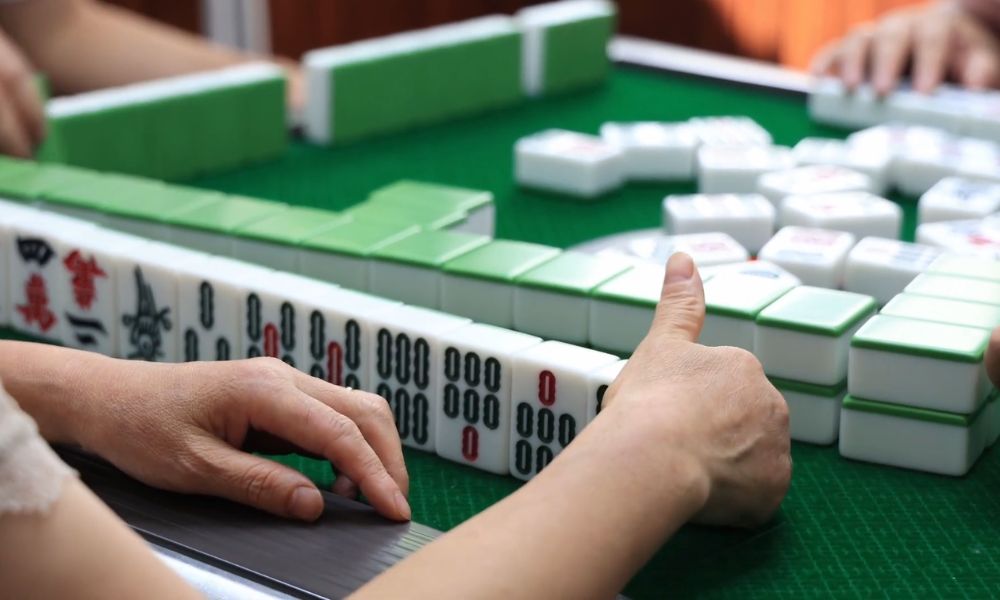
If you’re interested in trying it, I recommend starting with an organized beginner session instead of immediately buying your own equipment.
Here’s what to look for:
- Find a local beginner-friendly group. Search for mahjong lessons or clubs through community centers, public libraries, game stores, Meetup, and local event calendars.
- Ask which version they teach. American mahjong, Hong Kong mahjong, and Japanese riichi have different rules and learning materials.
- Check whether equipment is provided. Many introductory events supply tiles and other necessary materials, allowing beginners to try the game before buying a set.
- Learn the objective before the details. Understanding what a winning hand looks like is more useful initially than memorizing every scoring exception.
- Give yourself several sessions. One game isn’t enough to appreciate all the decisions that make mahjong interesting.
I’d also encourage new players to visit a traditional community group when one is welcoming beginners, rather than assuming the most heavily advertised venue offers the best experience.
Experienced players who enjoy teaching can make an enormous difference.
And don’t worry too much about winning immediately. Learning to recognize your own terrible discards is already progress.
Can Mahjong Maintain Its New Popularity?
That’s the interesting question heading into the rest of 2026 and beyond. Search trends can change quickly. A hobby that’s suddenly fashionable can just as easily lose its novelty once social media moves on.
Mahjong has a few advantages that make me think its revival has some staying power.
First, it’s built around recurring play. The experience changes as players improve, learn one another’s habits, and become more comfortable with the rules.
Second, regular games naturally encourage friendships and established groups. When people enjoy spending time together, they have a reason to organize another session.
Third, there’s enough strategy and variation to keep the experience interesting after the initial excitement wears off.
The biggest challenge, in my view, is ensuring that new players find welcoming places to learn without facing excessive costs or complicated expectations.
A fashionable club might introduce someone to mahjong. A good group of players is what turns that introduction into a lasting hobby.
And that’s why the nearly 4,500% surge in club searches interests me more than another trend involving a popular video game or expensive gaming accessory.
People aren’t simply looking for something new to play. They’re looking for other people to play with.
For a game that’s spent generations bringing people together around a table, that feels like a pretty fitting comeback.